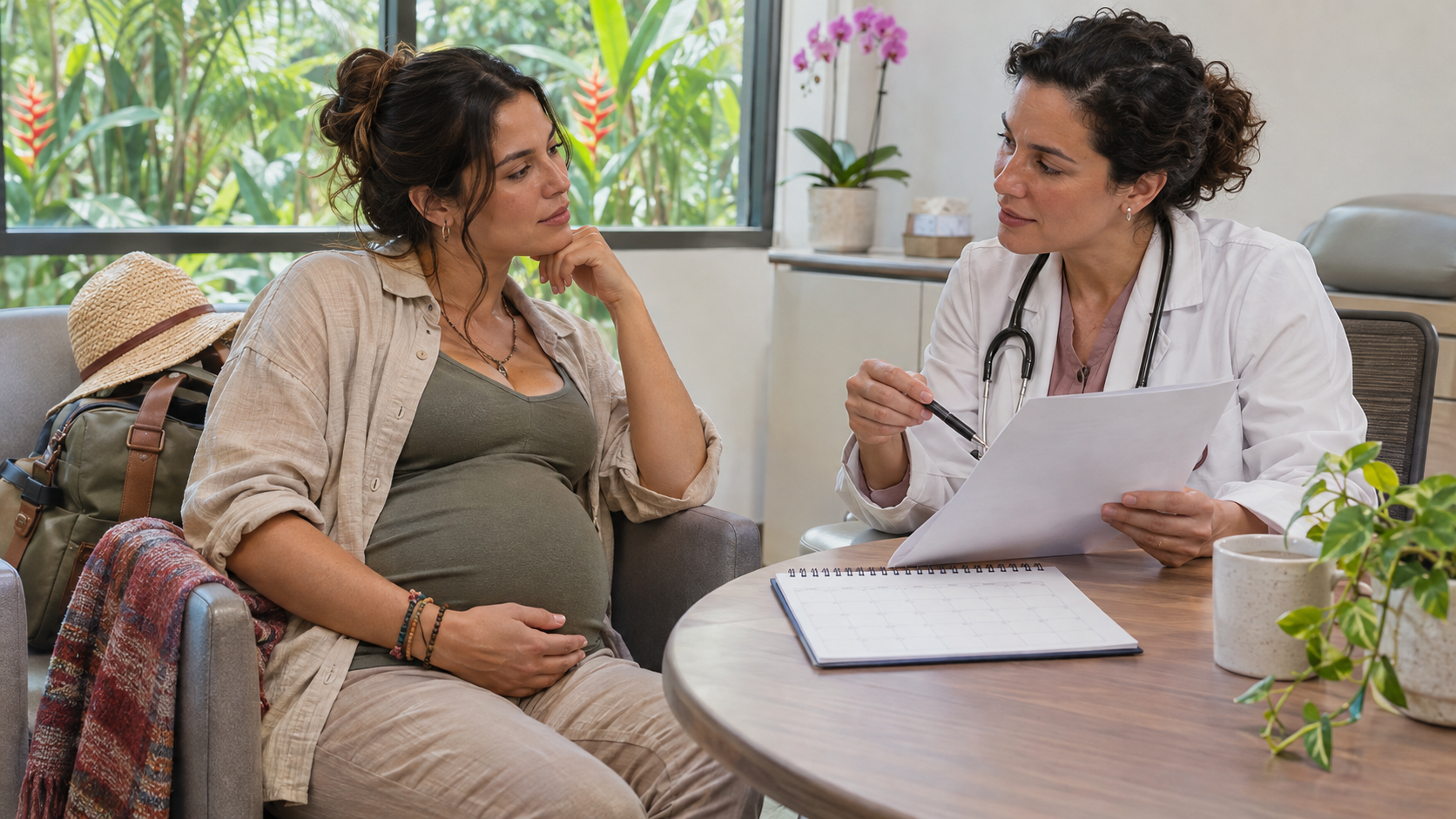
Ayahuasca during pregnancy or breastfeeding should be postponed. There are no adequate human studies establishing safety for a developing fetus or a breastfed infant, no standardized ceremonial dose and no evidence-based waiting period that makes exposure predictable. Limited data should not be mistaken for reassurance.
This guidance should be applied without shame. Someone may drink ayahuasca before realizing they are pregnant, or a breastfeeding parent may receive conflicting advice online. An unplanned exposure is a reason to contact qualified prenatal, obstetric or pediatric care—not to panic, hide information or follow an improvised detox.
Quick answer: can you take ayahuasca while pregnant or breastfeeding?
- Postpone ayahuasca throughout pregnancy because human fetal safety has not been established.
- Animal findings raise concern but cannot calculate the risk of one human exposure.
- Breast-milk transfer and infant effects of ayahuasca’s multiple active compounds are not adequately studied.
- Do not rely on a generic “pump and dump” interval or retreat promise.
- If exposure already occurred, record the timing and substances and contact the relevant clinician promptly.
- Bleeding, fluid leakage, severe abdominal pain, trouble breathing, fainting or reduced fetal movement needs urgent medical care.
Why the precautionary answer is to postpone
Pregnancy involves rapid changes in maternal physiology and fetal development. Ayahuasca commonly combines DMT-containing plant material with beta-carboline alkaloids that inhibit monoamine oxidase A. Brew composition and strength vary, and additional plants may be included. A commercial ceremony therefore cannot promise a known pharmaceutical exposure.
Ayahuasca can also produce vomiting, changes in heart rate and blood pressure, altered judgment and an intense psychoactive state. Those effects matter independently of fetal toxicity. Dehydration, falls, delayed recognition of pregnancy complications or difficulty communicating symptoms can create avoidable risk in a remote setting.
Postponement does not assume that every exposure causes harm. It recognizes that the potential benefit of an elective ceremony does not justify exposing a pregnancy or infant when direct safety evidence is missing.
What human pregnancy evidence exists?
A 2026 scoping review examined human pregnancy-outcome evidence for several psychedelics. It found no eligible primary human pregnancy outcome studies for DMT or ayahuasca. The authors concluded that the evidence is too sparse to estimate miscarriage, birth-defect or long-term developmental risks reliably and emphasized that absence of data is not evidence of safety.
Older publications discussed ayahuasca use in religious communities and developmental questions, but they do not provide the controlled exposure, comparison groups and outcome measurement needed to clear ceremonial use during pregnancy. Differences in nutrition, healthcare, other exposures and reporting make causal conclusions especially difficult.
No ethical trial would deliberately expose pregnant participants merely to establish recreational or ceremonial safety. Clinical counseling must therefore work with uncertainty and the established principle of avoiding unnecessary psychoactive exposure during pregnancy.
For the wider risk picture, see our guide to ayahuasca risks and contraindications.
What animal studies show—and their limits
Studies in pregnant rats have reported maternal and developmental toxicity, including effects that varied with dose. A later rat study reported pregnancy losses, growth effects and fetal findings at certain exposures, with severe maternal toxicity at high doses. A 2024 systematic thematic review summarized abortifacient and teratogenic findings in higher-dose animal models.
These findings are a safety signal, not a direct forecast for a human pregnancy. Species metabolize substances differently, dosing methods differ from a single ceremony, and some experimental doses were repeated or higher than typical human exposure. It would be misleading to turn a rat dose into a “safe” or “dangerous” human threshold.
The correct interpretation is that animal data do not relieve the uncertainty; they add reason for precaution. They cannot tell an individual what happened after one accidental exposure.
Pregnancy trimester does not create a safe window
The first trimester includes major organ development, but later pregnancy also involves critical growth and brain development. Maternal complications can occur at any stage. There is no trimester in which ayahuasca has been demonstrated safe.
A retreat should not suggest that early, late or “spiritually prepared” pregnancy changes the evidence. Likewise, a smaller serving, dieta or experienced facilitator cannot establish fetal safety.
Postpone the retreat without pressure

Tell the retreat as soon as pregnancy is known or suspected. A responsible center should stop the screening process, explain its postponement or refund policy and never encourage concealment. The amount already paid should not influence a medical decision.
Pregnancy may also change whether remote travel itself is advisable. The CDC recommends a pre-travel review for pregnant travelers that considers prenatal records, insurance, destination care and urgent warning signs. Iquitos and jungle lodges may be far from the obstetric team that knows the pregnancy.
If future travel is still planned without ceremony, review our guides to travel health and vaccines for Iquitos, dengue prevention in Iquitos and malaria questions for the Peruvian Amazon with an obstetric clinician.
What if ayahuasca was taken before pregnancy was known?
Do not assume that harm occurred, and do not rely on a retreat to interpret the exposure. Contact the obstetric clinician or a teratology-information service available in the person’s country. Provide:
- the date and estimated time of exposure;
- gestational age or first day of the last menstrual period, if known;
- estimated amount and number of servings;
- known plant ingredients or product information;
- other medicines, supplements, alcohol or substances used;
- vomiting, fainting, fever, injury or other symptoms; and
- any ongoing bleeding, pain, fluid leakage or change in fetal movement.
Do not induce vomiting or use a cleanse. Do not stop prescribed prenatal or psychiatric medication without the prescriber. The clinician may recommend routine care, additional assessment or observation based on timing, symptoms and the pregnancy—not a generic internet protocol.
Urgent pregnancy warning signs
Seek immediate medical care for vaginal bleeding or fluid leakage, severe abdominal pain, trouble breathing, chest pain, fainting, seizure, fever, severe headache, vision changes, persistent severe vomiting or a baby moving less than usual. Tell emergency clinicians clearly that the person is pregnant and what was consumed.
These symptoms can occur for many reasons and should not be explained only as purging or emotional release. The CDC’s urgent maternal warning signs apply during pregnancy and for a year after delivery.
Read our guide to ayahuasca vomiting and emergency warning signs for the broader distinction between expected effects and medical escalation.
Why breastfeeding needs a separate decision
Pregnancy and breastfeeding are not biologically identical, but neither has adequate ayahuasca-specific safety data. Ayahuasca contains multiple active compounds, brew strength varies and information about transfer into human milk, infant absorption and developmental effects is insufficient.
Newborns, premature infants and medically fragile babies may be especially vulnerable to drug exposure because their metabolism and elimination are immature. The parent’s altered state also matters: safe feeding, carrying, sleep and supervision can be compromised even apart from milk transfer.
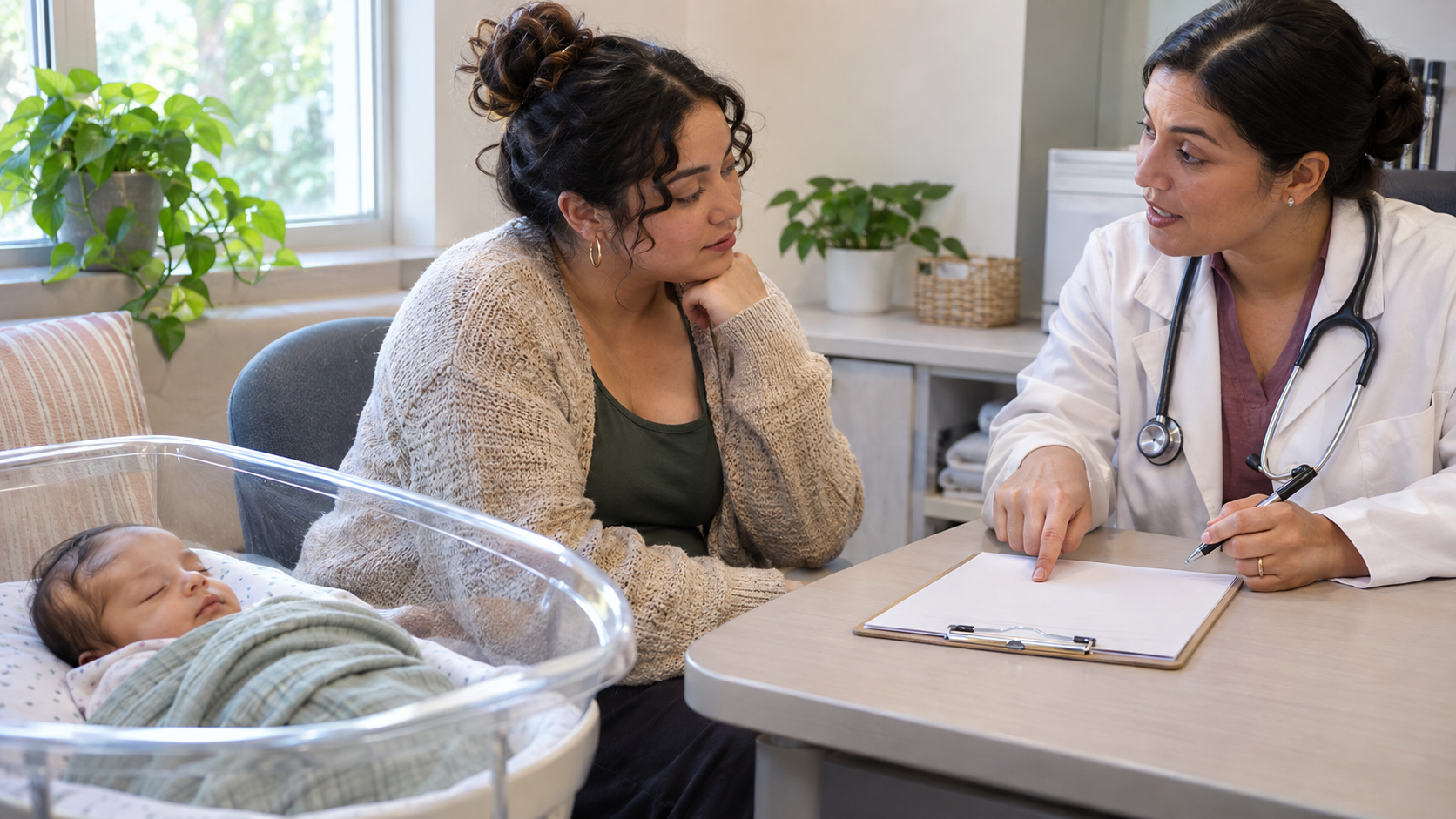
Do not use a universal “pump and dump for 24 hours” rule. Without human milk pharmacokinetic data for the actual brew, a fixed interval is speculative. Discuss postponement with the obstetric clinician, pediatrician or a clinician trained in lactation pharmacology.
Do not abruptly stop breastfeeding after an exposure without advice
After an unplanned exposure, contact clinical care promptly before making a long-term feeding decision. The clinician must balance unknown substance exposure with the baby’s age, prematurity, feeding pattern, available stored milk or formula, maternal condition and the consequences of interrupting breastfeeding.
Provide the brew timing, ingredients, amount, other substances and the time of the last feed. Ask how to maintain milk supply if temporary interruption is advised. Do not feed expressed milk to the infant until the clinician has addressed the exposure.
If an infant may have been exposed and becomes unusually sleepy, difficult to wake, poorly coordinated at feeding, persistently irritable, limp, vomiting, trembling or has breathing changes or a seizure, obtain urgent pediatric care. Bring the available product information.
Postpartum mental health and medication still matter
The postpartum period can include sleep deprivation, hormonal change, depression, anxiety, mania or psychosis. An intense psychedelic experience and interrupted sleep may complicate assessment. Anyone with severe mood symptoms, psychosis, suicidal thinking or thoughts of harming the baby needs urgent professional help, not another ceremony.
Do not stop antidepressants, mood stabilizers, antipsychotics or other prescriptions to qualify. Review our guides to ayahuasca and antidepressant interactions and mania and psychosis screening risks.
Retreat screening red flags
Do not book with a center that:
- accepts pregnant participants for ayahuasca ceremonies;
- claims traditional use proves fetal safety;
- offers a reduced dose as a safe pregnancy option;
- guarantees a breastfeeding waiting period without clinical evidence;
- encourages hiding pregnancy, lactation or medication;
- labels bleeding, severe pain or reduced fetal movement as energetic cleansing;
- pressures a parent to separate from an infant without a safe care plan; or
- has no process for emergency transfer.
Compare providers using our guide to choosing a safer ayahuasca retreat.
Frequently asked questions
Is a tiny amount of ayahuasca safe during pregnancy?
No dose has been established as safe in human pregnancy. Brew potency also varies, so a “tiny” serving is not a reliable exposure measurement.
Is ayahuasca safe during the first weeks before a positive test?
There is not enough human evidence to estimate the risk of a specific early exposure. Contact prenatal care with the timing and details rather than assuming either safety or harm.
Can ayahuasca cause miscarriage?
Human data are insufficient to calculate miscarriage risk. Animal studies have reported developmental and pregnancy effects at certain exposures, but those results cannot be translated directly into an individual’s outcome.
How long after ayahuasca can I breastfeed?
There is no validated universal interval. The answer depends on an individualized clinical assessment of the actual exposure and the infant. Do not rely on a retreat’s fixed timetable.
Can I attend the retreat but skip the brew?
Discuss travel with prenatal care and the retreat. Remote location, infections, heat, food, transport and access to obstetric care may still matter even without ayahuasca.
Should I end a pregnancy after accidental exposure?
This article cannot support that conclusion. Contact qualified obstetric care or a teratology-information service for individualized counseling. Animal findings alone do not determine a human pregnancy outcome.
Postponement protects two patients
Pregnancy and breastfeeding are temporary periods with unique responsibilities and incomplete ayahuasca safety evidence. Waiting allows a future decision to be made without exposing a fetus or infant to an unquantified brew.
Review Ayaterra’s ayahuasca retreats near Iquitos and contact the team about postponement and current screening policy. Pregnancy or breastfeeding should always be disclosed before booking.
Research and health sources
- 2026 scoping review of psychedelic exposure in pregnancy
- Review of ayahuasca developmental toxicology
- Maternal and developmental toxicity study in rats
- Pregnancy-outcome study of ayahuasca exposure in rats
- Systematic thematic review of ayahuasca adverse events and toxicity
- ACOG: substance exposure and pregnancy
- CDC Yellow Book: pregnant travelers
- CDC: urgent maternal warning signs
Medical disclaimer: This article provides general education and cannot assess an individual pregnancy, breastfeeding exposure or infant. Postpone ayahuasca during pregnancy and breastfeeding, and seek qualified obstetric or pediatric advice after an unplanned exposure. Seek urgent care for maternal warning signs, severe symptoms or concerning infant changes.