Is ayahuasca safe? The most accurate answer is that ayahuasca is not risk-free, and safety depends heavily on the person, the brew, other substances, screening, supervision and the setting. Carefully selected participants in controlled research have generally tolerated ayahuasca without severe events, but those findings cannot be applied automatically to every traveler or commercial ceremony.
Clinical studies usually exclude people with important medical or psychiatric risks, use defined protocols and provide monitoring. Retreat brews can vary in strength and ingredients, and remote centers differ widely in staff training, boundaries and emergency readiness. A participant may also arrive after difficult travel, disrupted sleep, fasting or medication changes.
This guide explains known and suspected risks without sensationalizing them or presenting ayahuasca as treatment. It cannot determine whether participation is safe for you. That requires honest disclosure and individualized review by appropriately qualified professionals.
What the research shows about adverse effects
The Global Ayahuasca Survey collected online reports from 10,836 people in more than 50 countries. About 69.9% reported acute physical effects, most often vomiting; 2.3% reported needing subsequent medical attention. The study also found that 55.9% reported mental-health effects in the weeks or months afterward. Many participants interpreted those effects positively, but around 12% of those reporting them sought professional support.
These figures need context. The survey was observational and based on self-report, so it cannot establish that ayahuasca caused every reported effect or predict an individual’s risk. It also shows why “natural” should not be confused with harmless.
Recent reviews describe commonly reported acute effects such as nausea, vomiting, gastrointestinal discomfort, transient anxiety, fear, confusion, drowsiness, headache and temporary increases in heart rate or blood pressure. Serious events appear uncommon in screened research settings, yet case reports and naturalistic data document medical and psychiatric complications.
Common effects versus warning signs
Nausea and vomiting are common enough that some ceremony traditions interpret them as purging. That cultural interpretation should never prevent basic assessment. Staff need to distinguish a short-lived expected effect from persistent vomiting, dehydration, aspiration risk or another emergency.
Commonly reported short-term effects can include:
- Nausea, vomiting or diarrhea
- Dizziness or unsteadiness
- Changes in heart rate or blood pressure
- Anxiety, fear or panic
- Confusion or altered perception
- Headache, fatigue or difficulty concentrating
- Disturbed sleep after a ceremony
Urgent warning signs include chest pain, breathing difficulty, seizure, fainting, severe agitation, very high fever, extreme confusion, loss of contact with reality, uncontrolled vomiting, signs of severe dehydration, suicidal intent or behavior that may harm the participant or others. Staff should activate emergency care rather than explain these symptoms only as part of a spiritual process.
Why medical screening matters
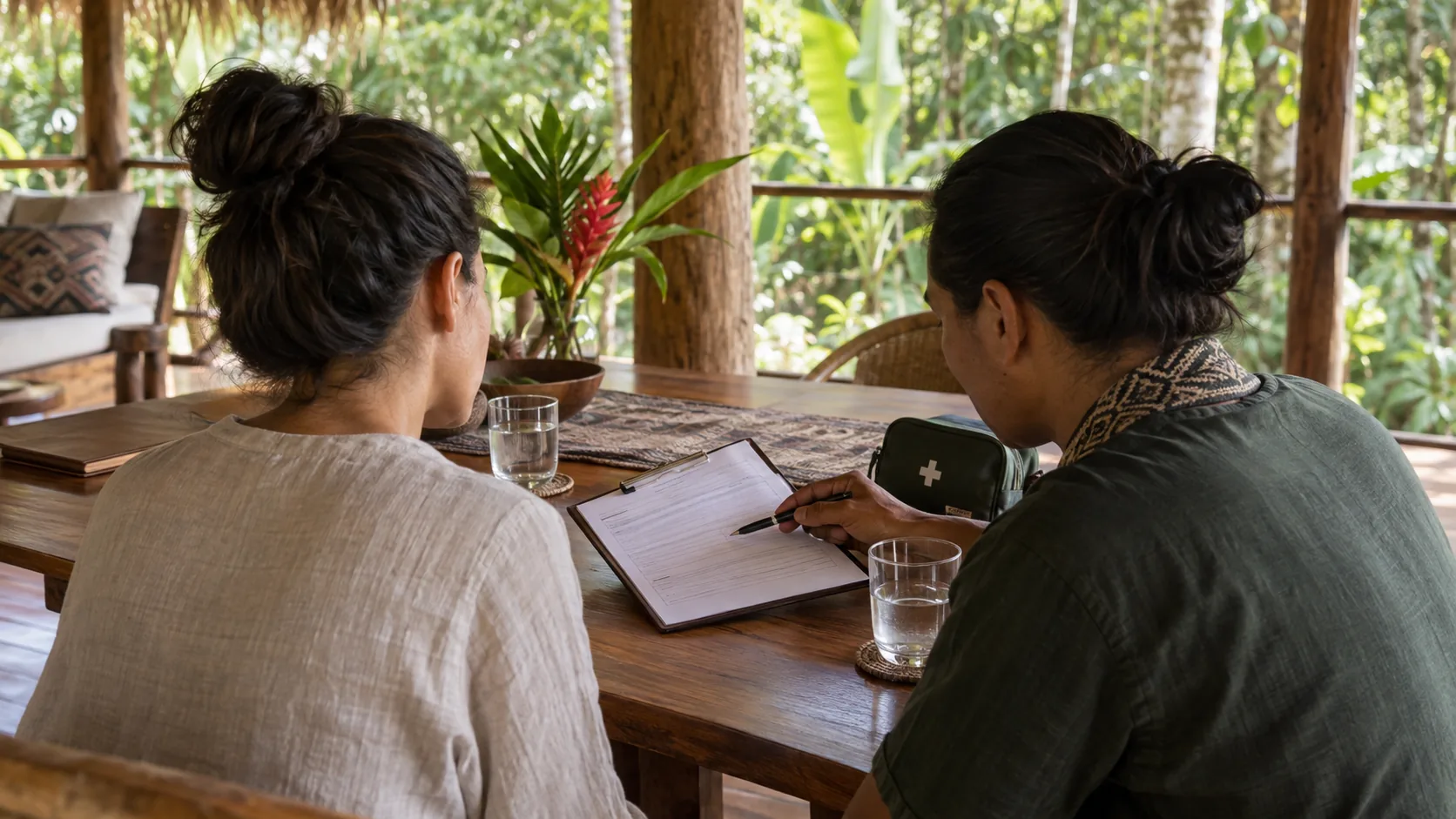
A checkbox asking whether you are “healthy” is not adequate screening. A responsible process collects relevant diagnoses, procedures, allergies, pregnancy status, medications, supplements, substance use and previous reactions to psychoactive substances. It should happen before non-refundable travel is booked.

Screening also needs competent review. A facilitator can gather information, but complex decisions may require a physician, psychiatrist, pharmacist or another qualified clinician. Ask who evaluates the form, what credentials they hold and how uncertain cases are handled.
Never conceal a condition because you fear rejection. A postponed retreat is less costly than a preventable emergency in a remote location. Our preparation guide provides a detailed list of information to gather before screening.
Physical conditions that require particular caution
There is no universally accepted screening standard for every ayahuasca context, and a blog cannot provide a complete contraindication list. Reviews and clinical protocols commonly raise concern when a person has significant cardiovascular disease, uncontrolled high blood pressure or another condition that could be worsened by temporary changes in blood pressure and heart rate.
Additional conditions that should be disclosed and professionally assessed include seizure disorders, fainting history, serious liver or kidney disease, endocrine conditions, glaucoma, recent surgery, severe gastrointestinal illness and any condition affected by dehydration or fasting. The appropriate decision depends on severity, current control, treatment and the details of the program.
Pregnancy and breastfeeding require special caution because adequate safety evidence is not available and fetal or infant exposure cannot be assumed safe. A responsible center should have a clear written policy rather than treating pregnancy as a matter of personal intuition.
Do not interpret the absence of a diagnosis as proof of eligibility. New chest pain, unexplained fainting, uncontrolled headaches, fever or another active illness should be evaluated before participation.
Psychological contraindications and vulnerability
Ayahuasca can produce profound changes in perception, emotion and sense of self. Systematic reviews describe rare but documented psychotic episodes lasting beyond the expected acute effects. Many reported cases involved psychiatric history, family vulnerability or concurrent substance use, though cases without a known history have also been described.
Personal or family history of psychosis, schizophrenia, bipolar disorder, mania or severe dissociation should be disclosed. Current mania, psychosis, suicidal crisis, severe instability or inability to provide informed consent should trigger postponement and appropriate clinical care—not a ceremony presented as treatment.
Screening should also consider trauma history, panic, recent bereavement, substance dependence, sleep deprivation and available support after the retreat. A diagnosis does not translate into the same decision for everyone, but it must never be ignored or evaluated only by marketing staff.
Medication interactions can be serious
Ayahuasca commonly contains beta-carbolines such as harmine and harmaline, which inhibit monoamine oxidase A reversibly, along with DMT and potentially other plant compounds. Reviews identify concern about interactions with serotonergic drugs and other medicines or substances that affect neurotransmitters, cardiovascular function or metabolism.
Potential interaction discussions often include antidepressants, other MAO inhibitors, stimulants and several recreational drugs, but a short internet list is unsafe because medication classes contain different compounds, half-lives and risks. Over-the-counter cough products, migraine medicines, pain medicines, weight-loss products and supplements may also matter.
Never stop prescribed medication on the retreat’s instruction alone. Abrupt discontinuation can cause withdrawal or relapse. Provide names, doses, timing and the reason each product is used. Any pause, taper or restart needs a plan from the clinician who prescribes or manages it.
Our ayahuasca diet guide explains why simple food rules and medication safety are separate issues.
Do not combine ayahuasca with other psychoactive substances
Combining ayahuasca with cannabis, stimulants, MDMA, other psychedelics or unlisted plant preparations introduces additional uncertainty. Reviews and case reports describe possible anxiety, panic, psychosis, cardiovascular problems and pharmacological interactions when substances are combined.
A center should disclose what is in the brew and whether any additional plant, tobacco preparation or psychoactive substance is used. “Traditional” does not mean pharmacologically inactive. Decline unknown combinations and do not bring recreational drugs into the program.
Alcohol and residual intoxication also affect judgment, hydration and the ability to consent. Follow the center’s written substance policy and disclose recent use honestly.
Brew composition and dose are not standardized
Ayahuasca is not one uniform product. Plants, preparation methods and concentrations vary, and additional ingredients may be included. Pharmacological reviews note substantial variation in the proportions of DMT and beta-carbolines across preparations.
That variability limits direct comparison between a research dose and a retreat serving. Ask who prepares the brew, which plants are included, whether anything else is added and how staff respond when a participant is highly sensitive. A center should never increase a serving to overcome medication effects or pressure someone to take more.
Safety inside the ceremony room
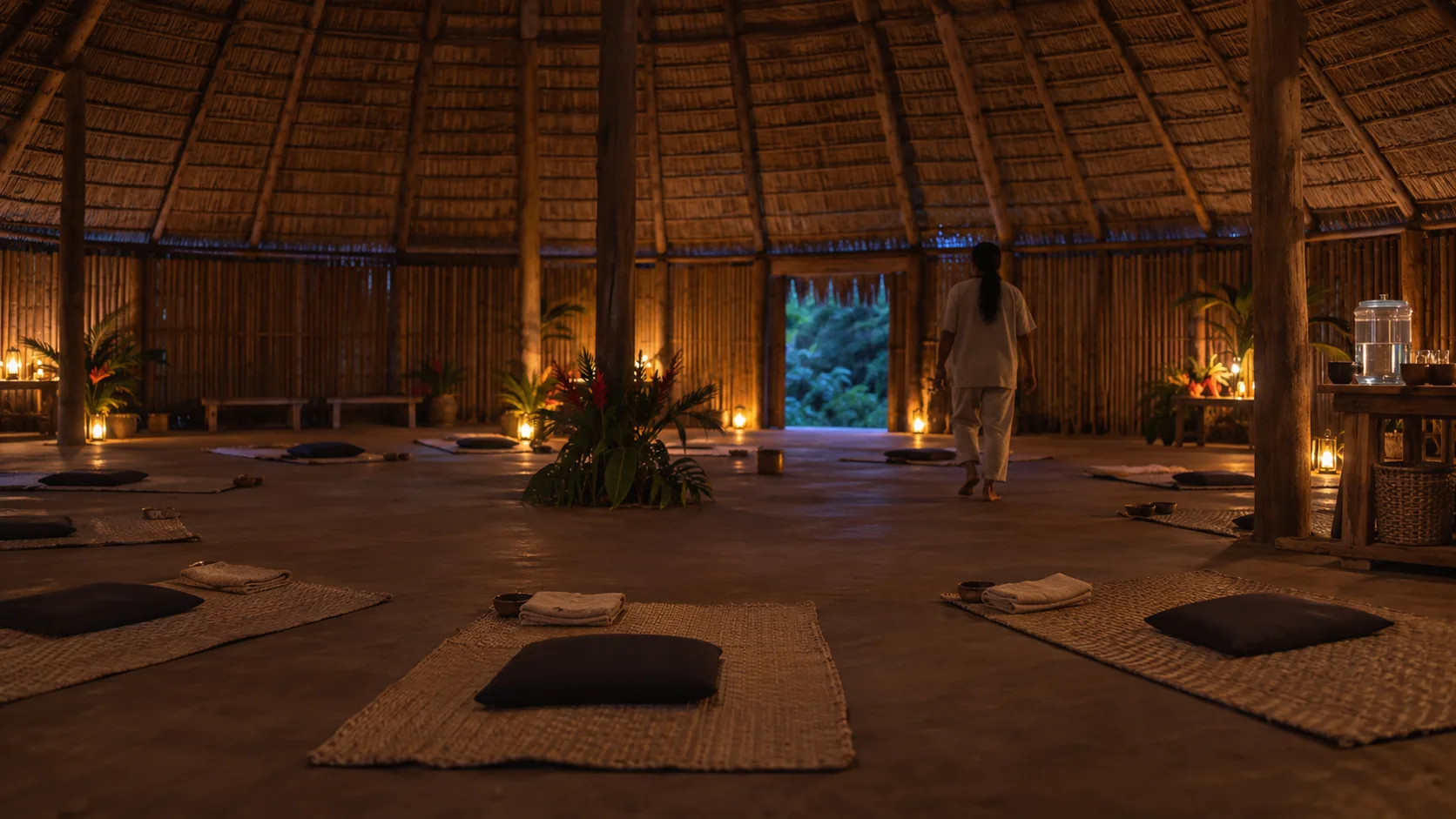
Good screening cannot prevent every problem. The physical and interpersonal environment should reduce avoidable harm.
Look for:
- A clear participant-to-staff ratio
- Sober facilitators present throughout the session
- Unobstructed paths to toilets and exits
- Safe low lighting and assistance when walking
- Clean containers and sanitation procedures
- Drinking water available under appropriate guidance
- A system for summoning help without leaving alone
- Documentation of allergies and relevant health information
- A plan for falls, aspiration, panic, aggression or loss of consciousness
- No locked exits or dangerous access to water, heights, roads or fires
The ceremony leader and support staff may have different responsibilities. Ask who monitors participants physically, who makes emergency decisions and who remains awake until everyone is settled. Read what happens during an ayahuasca ceremony for a step-by-step overview.
Consent, touch and sexual safety
Altered states can reduce a person’s ability to interpret events, move safely or give meaningful consent. Every retreat needs written boundaries that apply to shamans, facilitators, volunteers and participants.
Touch should be explained in advance, requested whenever possible and limited to what is necessary and agreed. Intimate or sexual contact between staff and participants is not therapy or healing. Clothing removal, private isolation with a practitioner and unexplained bodily interventions are major red flags.
Ask how misconduct is reported, who receives complaints and what happens if the complaint concerns a senior leader. A policy without an independent reporting path may offer little protection.
Emergency planning in a remote Amazon retreat
Remote settings make preparation more important. A first-aid kit alone is not an emergency plan. The center should know how to contact external help, transport someone in poor weather or at night, and reach an appropriate medical facility.
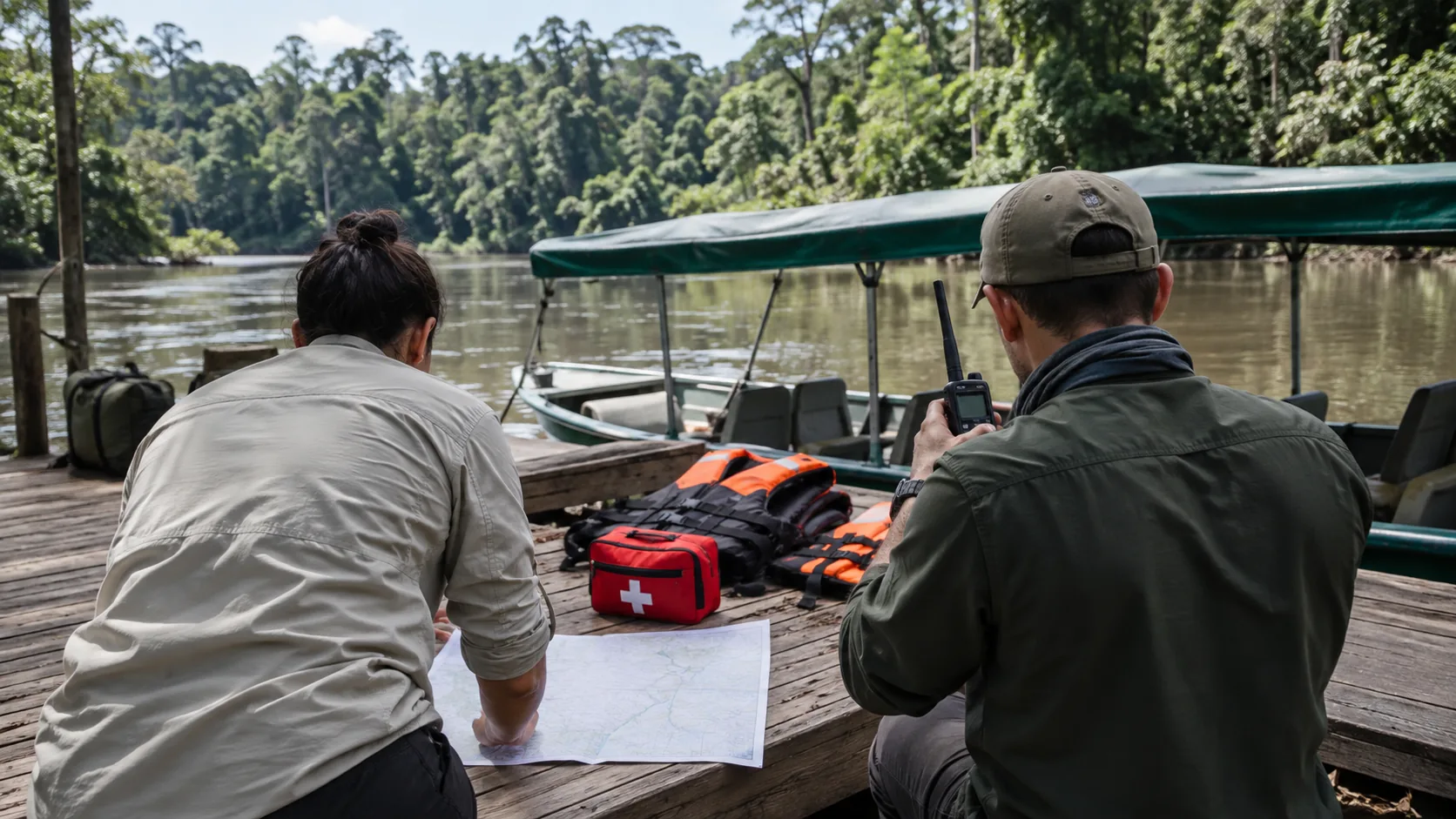
Ask for specifics:
- What communication systems work if mobile coverage fails?
- Which staff have current first-aid or emergency training?
- Is transport available during the entire ceremony?
- Does a river transfer use life jackets for every person?
- What is the realistic evacuation time in daylight and darkness?
- Which clinic or hospital is the intended destination?
- Who accompanies the participant and carries relevant health information?
- How are costs and medical evacuation insurance handled?
Vague reassurance is insufficient. Use our complete guide to choosing a safer ayahuasca retreat in Peru to compare providers before paying.
Vomiting: expected, concerning or dangerous?
Vomiting can occur and often resolves without intervention. It becomes more concerning when it is repeated, prolonged, contains blood, occurs with reduced consciousness, prevents fluid retention or is accompanied by severe pain, fainting, confusion or breathing problems.
Position and supervision matter because a deeply altered or drowsy person may be unable to protect their airway. Staff should monitor without humiliating the participant and should not leave an impaired person alone near a bathroom, river, stairs or road.
No cultural explanation should override visible medical deterioration. When in doubt, trained staff should escalate assessment.
Psychological distress during a ceremony
Fear, difficult memories and temporary confusion can occur. Support should begin with calm orientation, reduced stimulation, clear communication and respect for boundaries. Force, threats and spiritual blame can intensify distress.
Staff should know when a reaction exceeds ordinary reassurance—for example, severe agitation, dangerous behavior, prolonged disorientation, loss of consciousness or signs of a medical event. The center’s emergency protocol should include access to clinicians or emergency services rather than relying only on ceremonial authority.
Risks after the acute effects
Safety does not end when the ceremony closes. Sleep disturbance, anxiety, derealization, low mood, intrusive material or manic and psychotic symptoms can emerge or continue later. Providers should explain what follow-up exists and what it cannot provide.
Seek prompt professional assessment when symptoms persist, worsen or interfere with sleep, work, relationships or self-care. Seek emergency help for suicidal intent, severe confusion, loss of reality testing, extreme agitation, dangerous impulsivity or inability to remain safe.
Our guide to ayahuasca integration after a retreat includes a 30-day framework and detailed warning signs.
Does having more ceremonies increase risk?
Research does not provide a simple formula connecting ceremony count with an individual’s risk. Repeated sessions may mean repeated exposure, less uninterrupted sleep and additional opportunities for physical or psychological difficulty. On the other hand, a longer program may include more rest and observation.
Evaluate spacing, staff reassessment and the freedom to decline a session. The scheduled number is never a requirement to participate. Our comparison of 3, 5, 7 and 8-day ayahuasca retreats explains how duration and ceremony count differ.
Red flags that should stop a booking
Do not proceed when a provider:
- Guarantees healing, safety or a specific outcome
- Accepts everyone without meaningful screening
- Advises medication changes without appropriate qualifications
- Refuses to disclose brew ingredients
- Has no sober overnight support
- Cannot explain emergency transport
- Treats severe symptoms only as spiritual cleansing
- Pressures guests to complete every ceremony
- Permits sexual contact between staff and participants
- Uses secrecy to avoid questions about credentials, ownership or past incidents
- Discourages contact with family, clinicians or emergency services
A visually beautiful center can still have unsafe procedures. Verify operational details in writing.
A pre-booking safety checklist
- Complete screening before buying non-refundable travel.
- Disclose every diagnosis, prescription, supplement and recent substance.
- Ask a qualified clinician about personal medical and psychiatric risks.
- Never stop medication without the prescribing clinician’s plan.
- Confirm every plant or substance included in the brew and program.
- Review consent, touch and misconduct-reporting policies.
- Confirm sober staffing, overnight monitoring and participant-to-staff ratio.
- Obtain the emergency communication and evacuation plan.
- Arrange travel insurance appropriate to the region and activities.
- Leave recovery time and identify professional support at home.
Frequently asked questions
Can ayahuasca cause death?
Fatal events have been reported in association with ayahuasca contexts, but causation can be difficult to establish because other substances, medical conditions, trauma or delayed care may be involved. The possibility of severe harm is one reason screening, supervision and emergency response cannot be optional.
Is ayahuasca safe if it is natural?
Natural origin does not establish safety. Ayahuasca contains pharmacologically active compounds, and plant preparations can vary. Many natural substances interact with medications or affect cardiovascular and psychological functioning.
Is ayahuasca safe with antidepressants?
Potentially serious interactions are a recognized concern, but risk varies by medication and timing. Do not combine them or stop treatment based on generic advice. The prescribing clinician and a qualified screening professional must review the exact medication.
Can someone with anxiety or depression participate?
A diagnosis alone does not answer the question. Severity, stability, suicidal risk, medication, previous mania or psychosis and available support matter. Ayahuasca should not be marketed as a guaranteed treatment, and individualized professional assessment is necessary.
Who should not take ayahuasca?
No online list is complete. People with important cardiovascular or psychiatric risks, pregnancy, potentially interacting medications, active illness or inability to consent may be excluded or advised to postpone. The decision needs competent screening, not self-clearance.
Does a traditional ceremony guarantee safety?
No. Tradition may provide meaningful cultural structure, but it does not eliminate pharmacological, medical, psychological, environmental or interpersonal risks. Responsible practice combines cultural respect with screening, boundaries and emergency readiness.
The bottom line
Ayahuasca may be tolerated by carefully screened adults in controlled settings, but it is not universally safe and it is not suitable for everyone. The gap between a clinical trial and a remote commercial retreat is substantial. Brew variability, medication interactions, health history, psychiatric vulnerability, staff conduct and access to emergency care all matter.
Do not ask only whether ayahuasca is safe in general. Ask whether this specific person, with this health history, taking these substances, in this exact setting, has been evaluated by people qualified to make and support the decision. Explore Ayaterra’s published ayahuasca retreat programs only after reviewing the screening and safety information.
Sources and further reading
- Adverse effects of ayahuasca: Global Ayahuasca Survey
- Ayahuasca: pharmacology, safety and therapeutic effects
- Ayahuasca and DMT adverse events and toxicity: systematic thematic review
- Ayahuasca, DMT and psychosis: systematic review of human studies
- Pharmacological interactions of compounds in ayahuasca: systematic review
- Drug–drug interactions involving classic psychedelics: systematic review