Ayahuasca and diabetes require more planning than simply asking whether a retreat “accepts diabetics.” Direct research on ayahuasca in people with type 1 or type 2 diabetes is extremely limited. At the same time, retreat travel can involve fasting, delayed meals, vomiting, heat, increased activity and disrupted medication timing—all factors that may change blood glucose.
No article or retreat questionnaire can determine personal safety. A guest needs a plan from the clinician managing the diabetes and a separate review of what the retreat can realistically support. Insulin or other diabetes medicine should never be stopped, reduced or rescheduled merely to fit a ceremony.
Quick answer: is ayahuasca safe with diabetes?
- Safety has not been established for people with diabetes.
- Type of diabetes, medication, glucose stability, complications and access to emergency care all matter.
- Fasting or vomiting can create a mismatch between food intake and glucose-lowering medication.
- Do not skip insulin or change medication according to a generic retreat rule.
- Bring monitoring supplies, fast-acting glucose, medical identification and the clinician’s written sick-day and emergency plan.
- Severe hypoglycemia, high ketones, breathing difficulty, persistent vomiting or inability to stay awake requires urgent medical care.
Why diabetes changes retreat risk
Diabetes management balances medicine, food, activity, illness and monitoring. Travel changes that balance. The CDC notes that delayed meals, unfamiliar foods, time-zone changes and altered activity can affect blood glucose. Iquitos adds tropical heat and a different routine, while ceremonies commonly take place at night.
Ayahuasca itself has not been adequately studied as a glucose-management intervention. It should not be described as a treatment for diabetes or assumed to lower blood sugar safely. Research on screened volunteers cannot answer how a variable plant brew will affect a person using insulin, a sulfonylurea, an SGLT2 inhibitor or another prescription.
Vomiting is especially relevant. In the Global Ayahuasca Survey, acute physical effects—primarily vomiting—were commonly reported. A person with diabetes may then face uncertain carbohydrate absorption, dehydration, inability to keep medication or fluids down, and difficulty distinguishing an expected ceremony effect from a metabolic emergency.
Begin with our broader guide to ayahuasca safety and contraindications.
Type 1, type 2 and other diabetes are not interchangeable
Type 1 diabetes requires insulin because the body produces little or none. Missing insulin can lead to diabetic ketoacidosis (DKA), a life-threatening emergency. Type 2 diabetes varies widely: some people manage it without medicine, while others take tablets, injectable medicines or insulin. Gestational diabetes occurs during pregnancy and must be considered together with the reasons ayahuasca is not recommended during pregnancy.
Risk also changes with previous severe lows, hypoglycemia unawareness, kidney disease, heart disease, neuropathy, slow stomach emptying, foot problems or a history of DKA. “Controlled diabetes” is not enough information for screening.
What does the evidence say—and not say?
Modern reviews describe ayahuasca pharmacology, adverse events and medication concerns, but there is no robust clinical evidence establishing safety for people with diabetes. Studies often involve small, carefully screened groups and standardized procedures that differ from commercial retreats.
A lack of published diabetes-specific cases does not prove safety. Adverse events may not be reported, exact brew composition is often unknown, and metabolic problems can be attributed to travel, fasting or vomiting without formal investigation. Conversely, it would be inaccurate to claim that ayahuasca always causes hypoglycemia or DKA. The responsible conclusion is uncertainty plus plausible indirect risks.
A travel-medicine review identified vomiting and other serious non-psychiatric events after ayahuasca. A 2024 systematic thematic review likewise emphasized that plant preparations vary and that some adverse human events and medication concerns have been reported. Neither supplies a diabetes-specific clearance rule.
Fasting is not automatically safe
Some retreats suggest reducing food before ceremony. For a person taking insulin or another medicine that can lower glucose, skipping or delaying a meal may increase hypoglycemia risk. For others, illness, dehydration or insufficient insulin may raise glucose and ketones. The response depends on the medicine and individual plan.
A ceremonial dieta is a cultural or retreat practice, not a substitute for medical nutrition guidance. Ask the diabetes clinician whether the proposed meal timing is compatible with the treatment schedule. The retreat must be willing to modify its routine or decline participation; it should never pressure a guest to fast against clinical advice.
Do not guess an insulin reduction, skip a dose or “compensate” with extra medicine after eating. Those are individual clinical decisions. If the retreat cannot accommodate regular meals or monitoring, postponement may be safer.
Medication needs an exact review
Give the clinician and retreat the generic name, brand, dose, formulation and schedule for every prescription, over-the-counter product and supplement. Diabetes medicines have different effects and different sick-day considerations. The same advice cannot be applied to insulin, metformin, sulfonylureas, GLP-1 medicines and SGLT2 inhibitors.
Tell the clinician that the proposed experience may include a psychoactive brew, nighttime wakefulness, fasting and vomiting. Ask specifically what to do if a meal is delayed, vomiting occurs, a dose cannot be kept down, the glucose monitor fails or ketones appear.
Do not rely on a retreat to prescribe changes. Our guide to ayahuasca and medication interactions explains why generic washout advice is not individualized care.
Prepare supplies for travel and ceremony
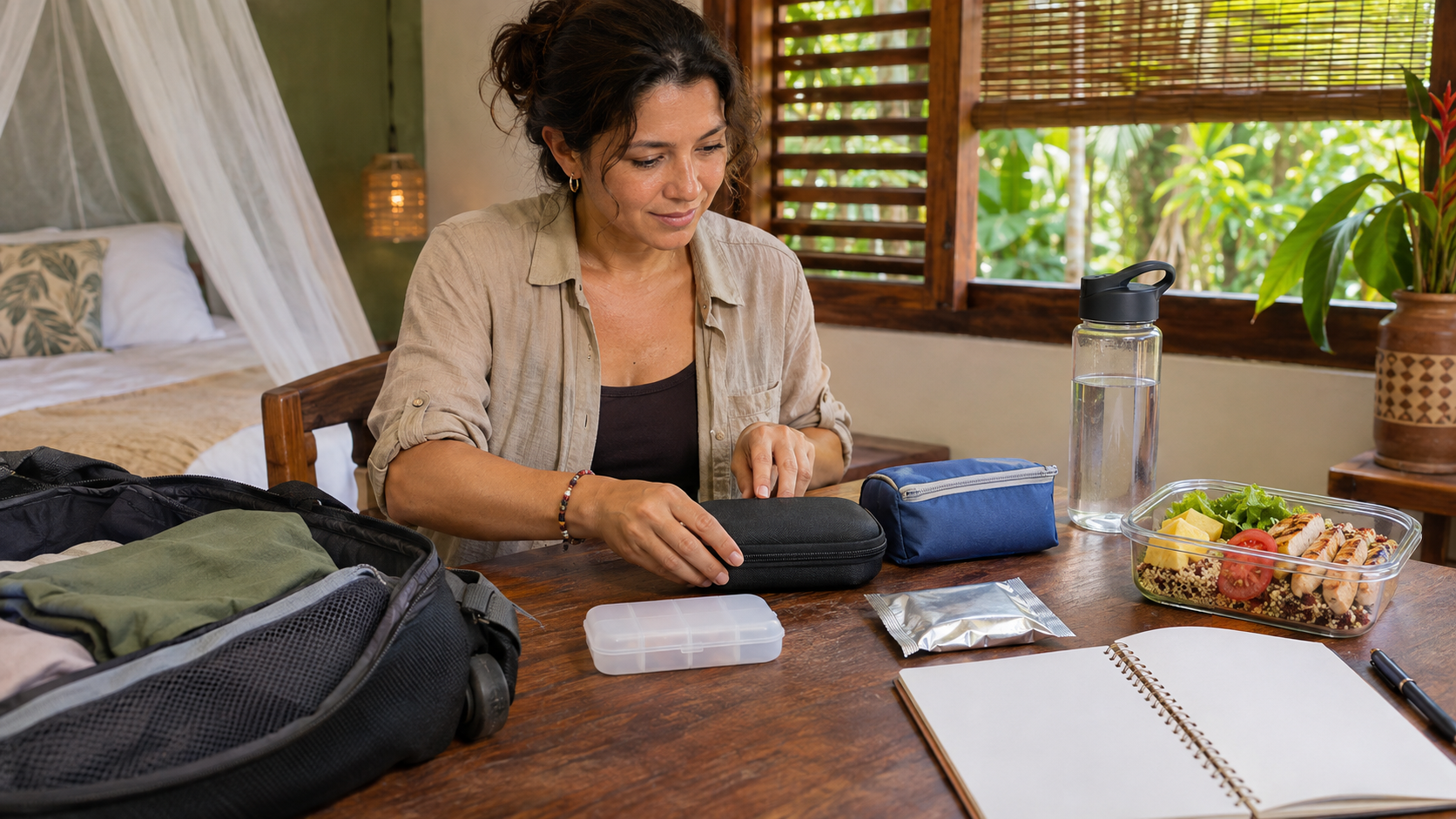
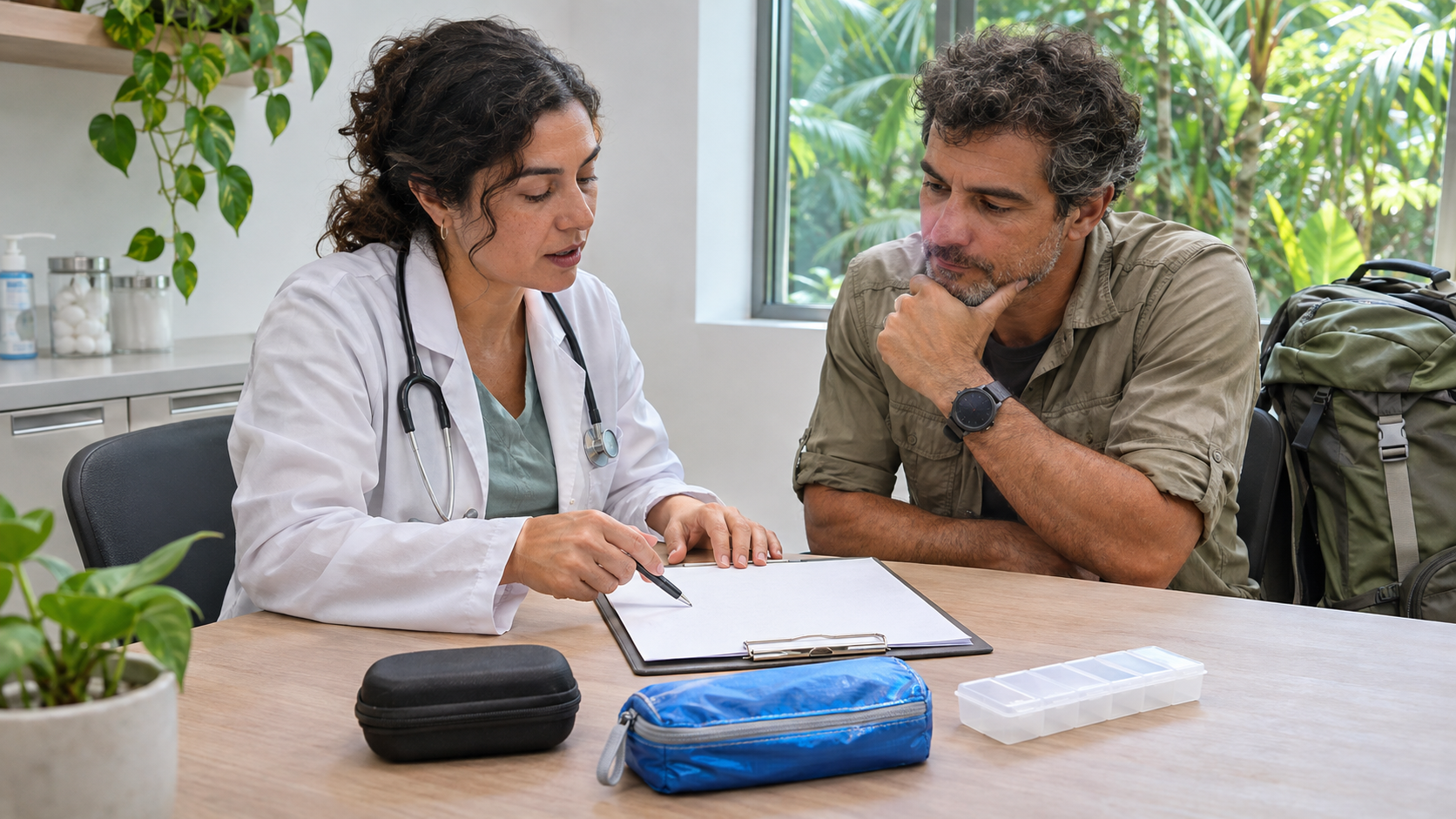
The CDC recommends carrying diabetes medicine, monitoring equipment and accessible snacks in hand luggage. Pack more supplies than the exact itinerary requires and keep prescriptions and medical identification available. A practical list may include:
- glucose meter, compatible strips, lancets and spare batteries;
- CGM supplies, receiver or charged phone, plus a backup method;
- all prescribed medicine in original labeled packaging;
- an appropriate cooling method that does not place insulin directly on ice;
- fast-acting glucose that remains accessible during ceremony;
- ketone-testing supplies if included in the clinical plan;
- prescribed glucagon and instructions, when applicable;
- medical ID, clinician letter and emergency contacts; and
- the written plan for lows, highs, vomiting and sick days.
Heat can damage insulin, strips, pumps and monitors. Do not leave equipment in direct sun, a hot vehicle or checked luggage. Review our Iquitos retreat packing list alongside the diabetes-specific plan.
Screening information the retreat needs
Disclose the type and duration of diabetes, usual glucose range, recent A1C if the clinician considers it useful, medicines, devices, complications and any recent changes. Include previous severe hypoglycemia, loss of awareness, seizures, DKA, hospital visits and episodes requiring another person’s help.
The retreat also needs to know whether the guest can self-monitor while altered, who may access supplies, where glucagon is kept, what symptoms are typical and when the written plan requires transfer. Consent to participate does not mean consent for untrained staff to improvise treatment.
Use a two-part safety review
1. Diabetes clinician
Ask whether current stability supports international travel and a remote nighttime ceremony. Review meal timing, heat, activity, vomiting, sick-day rules, medication storage, time zones and emergency thresholds. Obtain a written plan rather than relying on memory.
2. Retreat capability
Ask whether regular meals and medically necessary snacks are allowed, refrigeration is dependable, supplies stay with the guest, sober staff remain present, glucose can be checked without obstruction, and transport is available at night. Confirm the time and route to a facility capable of treating a diabetic emergency.
Use our checklist for choosing a safer ayahuasca retreat in Peru. A center that cannot support the written plan should say so before payment and travel.
Know the signs of low blood sugar
Hypoglycemia can develop quickly. Symptoms may include shaking, sweating, hunger, dizziness, weakness, irritability, confusion, headache, fast heartbeat or difficulty seeing and speaking. Severe hypoglycemia can cause loss of consciousness or a seizure.
Some of these signs overlap with anxiety or acute psychedelic effects. Staff should not assume sweating, confusion or unusual behavior is “part of the medicine.” Check glucose according to the guest’s plan whenever a low is possible.
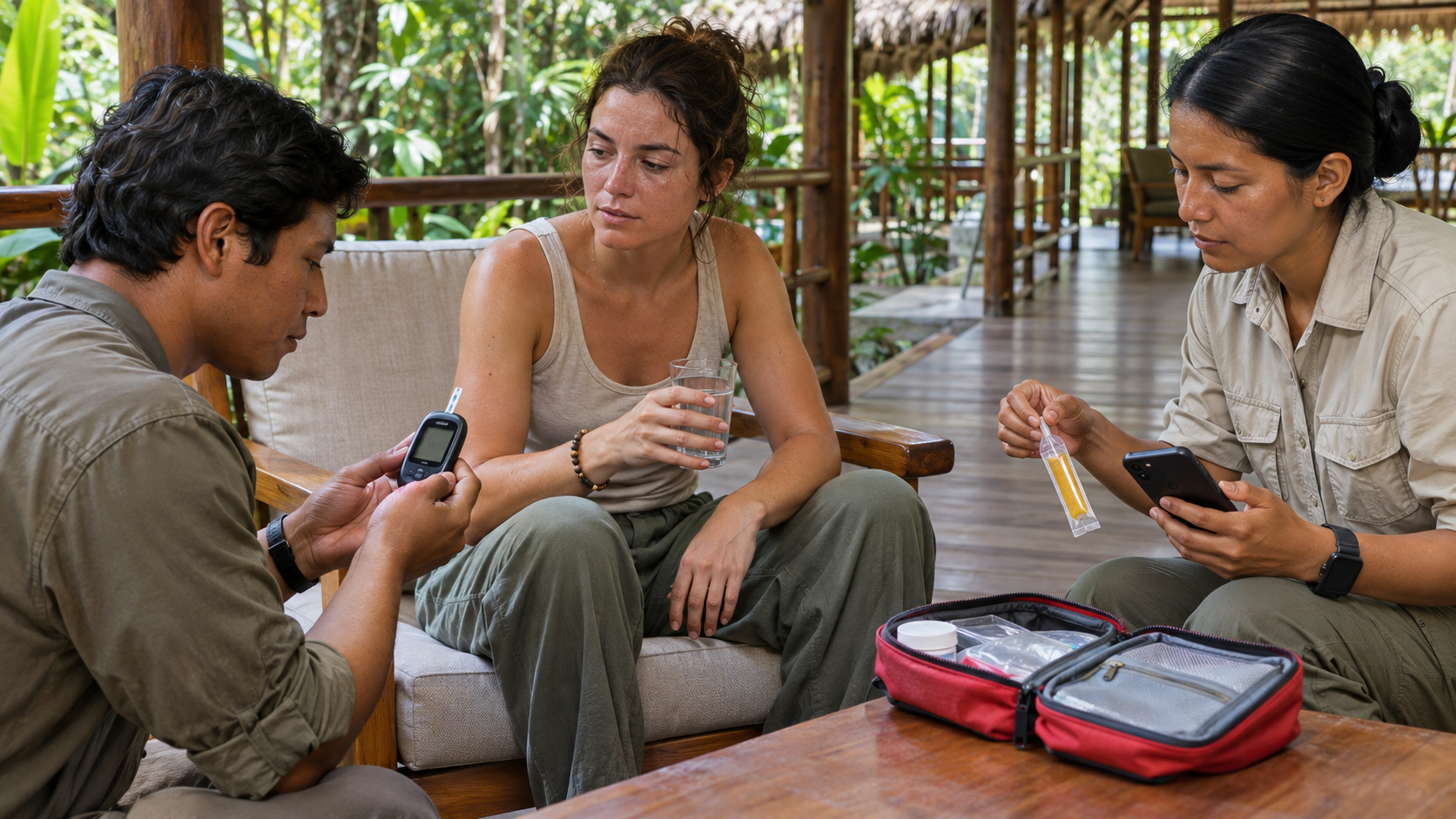
For many adults with diabetes, public health guidance defines a reading below 70 mg/dL as low and recommends fast-acting carbohydrate followed by rechecking. Individual thresholds and treatment may differ, so the person’s clinician-written plan takes priority. Do not give food or drink to someone who is unconscious, having a seizure or unable to swallow safely.
Severe hypoglycemia requires the prescribed emergency response and urgent medical help. If glucagon is part of the plan, designated people should be trained before the retreat—not during the crisis.
High blood sugar and DKA warning signs
High glucose may cause thirst, frequent urination, fatigue or blurry vision. DKA occurs when the body lacks enough insulin and ketones accumulate. It is most common in type 1 diabetes but can also occur in type 2 diabetes.
CDC warning signs include intense thirst, frequent urination, nausea, vomiting, abdominal pain, dry mouth, deep or difficult breathing, marked tiredness and fruity-smelling breath. High ketones are an emergency signal. Persistent vomiting and inability to keep fluids down require urgent evaluation.
Vomiting should not automatically be labeled cleansing. It may be an ayahuasca effect, infection, dehydration, medication problem or DKA. Our guide to ayahuasca purging and emergency signs explains why context and progression matter.
Retreat diabetes red flags
Pause the booking if a center:
- claims ayahuasca cures diabetes or permanently resets blood sugar;
- requires every guest to fast regardless of medication;
- tells guests to stop insulin or tablets without their clinician;
- does not allow glucose checks, CGM alarms or fast-acting glucose;
- cannot store temperature-sensitive medication safely;
- treats confusion, collapse or persistent vomiting only as purging;
- has no sober observer or emergency-transfer plan; or
- pressures someone to drink again after an unstable glucose episode.
What should happen during an emergency?
Stop further ayahuasca exposure and follow the written diabetes action plan. Keep the person with sober staff, check glucose when possible, record medicines and timing, and remove immediate hazards. Call emergency services for unconsciousness, seizure, inability to swallow, breathing difficulty, high ketones, persistent vomiting, failure to improve or any situation the plan identifies as urgent.
Do not force food or drink into an altered or unconscious person. Do not improvise insulin, double a missed dose or give another guest’s medication. Bring the medication list, devices, glucose record and details of the brew to the receiving clinicians.
Frequently asked questions
Can a person with type 1 diabetes attend an ayahuasca retreat?
Type 1 diabetes requires insulin and carries a risk of severe hypoglycemia and DKA. Ayahuasca safety has not been established for this group. Only the treating clinician can assess travel and metabolic stability, while the retreat must separately determine whether it can support the plan.
Does type 2 diabetes make ayahuasca safe?
No. Type 2 diabetes ranges from diet-managed disease to complex insulin treatment and complications. Medication, glucose stability, kidney and heart health, fasting and emergency access all matter.
Should I skip insulin because I will not eat before ceremony?
Do not make that change independently. Different insulins serve different purposes, and missing insulin can be dangerous. Ask the diabetes clinician for an exact plan before travel.
Can I keep my CGM or pump on during ceremony?
Do not disconnect a device solely for ceremony convenience. Discuss device use with the clinician and confirm the retreat permits alarms, monitoring and immediate access. Bring a backup plan for failure or dislodgement.
Is vomiting harmless if glucose looks normal?
No. A single reading does not identify every cause or guarantee stability. Persistent vomiting, inability to drink, ketones, breathing changes, severe weakness or worsening symptoms require clinical advice or urgent care.
Can dieta foods replace my normal diabetes meal plan?
Not automatically. Ingredients and portions may contain unfamiliar carbohydrate amounts, and meal timing may differ. Review the proposed menu and schedule with the diabetes team.
Metabolic safety comes before ceremony
Diabetes does not justify stigma, but it does require reliable food, medication, monitoring and emergency support. An attractive retreat setting cannot compensate for unstable glucose, an improvised fast or delayed transfer.
Review Ayaterra’s ayahuasca retreats near Iquitos and contact the team for current screening requirements. Disclose the complete diabetes plan before booking, and keep medication decisions with qualified healthcare professionals.
Research and health sources
- Review of ayahuasca pharmacology, safety and therapeutic effects
- Systematic thematic review of ayahuasca and DMT adverse events
- Adverse effects in the Global Ayahuasca Survey
- CDC: traveling with diabetes
- CDC: treating low blood sugar
- CDC: diabetic ketoacidosis
- NIDDK: low blood glucose
- American Diabetes Association: Standards of Care in Diabetes
Medical disclaimer: This article provides general education and does not determine whether ayahuasca is safe for a person with diabetes. Do not start, stop or change insulin or other medication without qualified clinical guidance. Seek urgent care for severe hypoglycemia, high ketones, breathing difficulty, persistent vomiting, loss of consciousness or inability to recover as expected.