Food and water safety in Iquitos deserves the same attention as flights, packing and ceremony preparation. The Peruvian Amazon is hot and humid, and travelers can develop diarrhea from contaminated food or water. A stomach illness can quickly cause dehydration, interrupt a retreat and make it unsafe to participate in ceremony.
The goal is not to fear local food. It is to make consistent, practical choices: drink water known to be safe, choose freshly cooked meals, wash your hands, and respond early if symptoms begin. A responsible retreat should be able to explain its water treatment, kitchen hygiene and medical plan clearly.
Quick answer: eating and drinking safely in Iquitos
- Use sealed bottled water or water that has been properly treated for drinking and brushing teeth.
- Choose food that is thoroughly cooked and served hot.
- Be cautious with ice, raw salads, unpeeled fruit, ceviche, cold sauces and food left at room temperature.
- Wash hands with soap and safe water, especially before eating.
- Do not begin or continue a ceremony with diarrhea, repeated vomiting, fever or dehydration.
- Seek medical care for blood in stool, persistent vomiting, high fever, severe pain, confusion, very little urine or worsening illness.
Why food and water safety matters before a retreat
CDC describes Peru as a destination with moderate to high risk for enteric infections. Travelers’ diarrhea can be caused by bacteria, viruses or parasites. The source may be a meal, drinking water, ice, an unwashed hand or a contaminated surface, and it is usually impossible to identify the exact source from symptoms alone.
Iquitos adds several practical challenges. Heat and humidity increase fluid needs, travel days can be long, and many retreats are outside the city. A guest who becomes ill in a remote lodge may need a boat or road transfer before reaching a clinic. Prevention and early reporting therefore matter more than trying to “push through” symptoms.
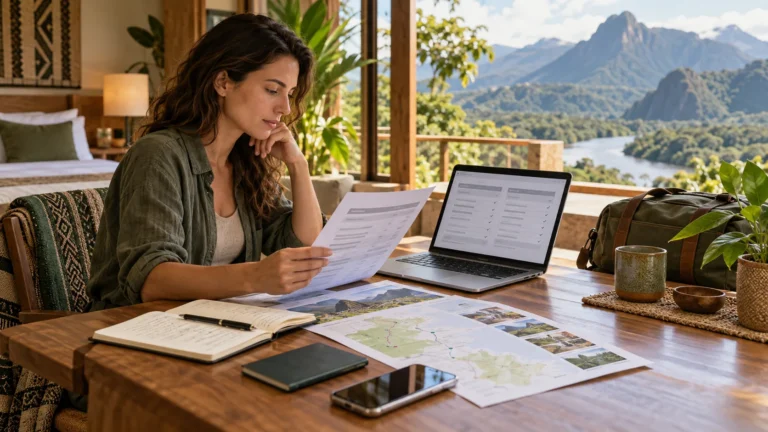
Prepare in advance with our guides to vaccines for Iquitos travel and travel insurance for an ayahuasca retreat in Peru. Vaccination can reduce specific risks, but no vaccine replaces safe food, water and hand hygiene.
What drinking water is safer in Iquitos?
Do not assume that clear water is safe. Microorganisms that cause illness usually cannot be seen, smelled or tasted. CDC advises travelers in places where tap water may be unsafe to use sealed bottled water or water that has been adequately disinfected.
Check bottled water before drinking
Buy bottles from a reliable source and inspect the cap. The seal should be intact when you open it. Carbonated drinks in sealed containers are generally safer because carbonation is easy to notice. Wipe a wet or dirty container before drinking directly from it, or pour the drink into a clean cup.
Ask how retreat water is treated
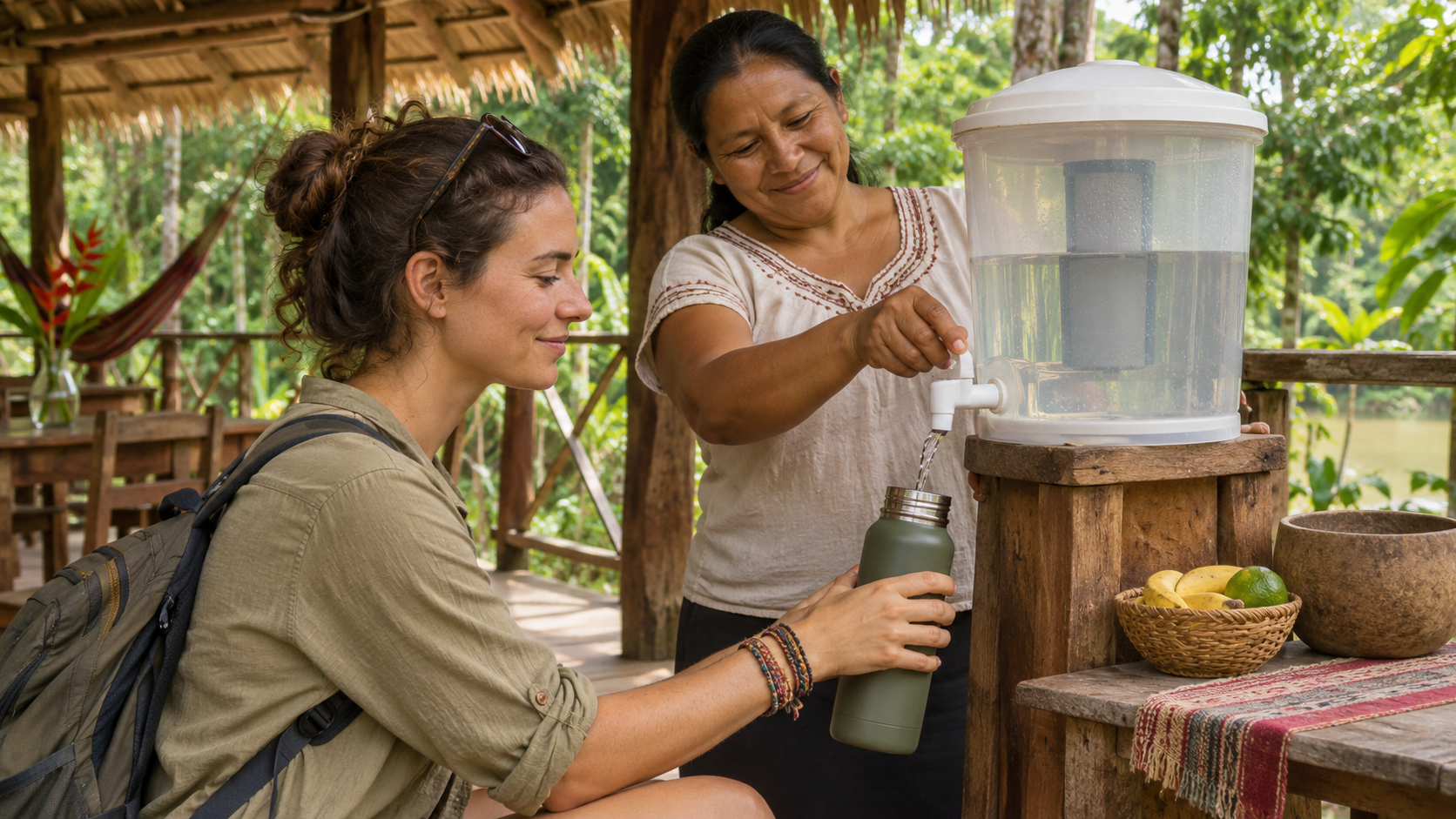
“Filtered” can mean many things. Ask whether the drinking water is commercially bottled, boiled, disinfected or processed by a system designed to remove the relevant microorganisms. Also ask how storage tanks and dispensers are cleaned, covered and protected from hands, cups and insects.
A refill station is useful only if treated water remains protected after treatment. Use a clean personal bottle, avoid touching its mouth to the dispenser and wash the bottle with safe water. Do not share bottles or cups.
Remember teeth, medicine and ice
Use safe water to brush your teeth, prepare medicine, rinse a mouth guard and make drinks. Ice is only as safe as the water used to make it and the way it was handled. If you cannot confirm the source, order drinks without ice.
Hot tea or coffee can be a reasonable choice when the water has reached a proper boil and the drink is served steaming hot. Allow it to cool naturally rather than adding uncertain ice or water.
How to choose safer food
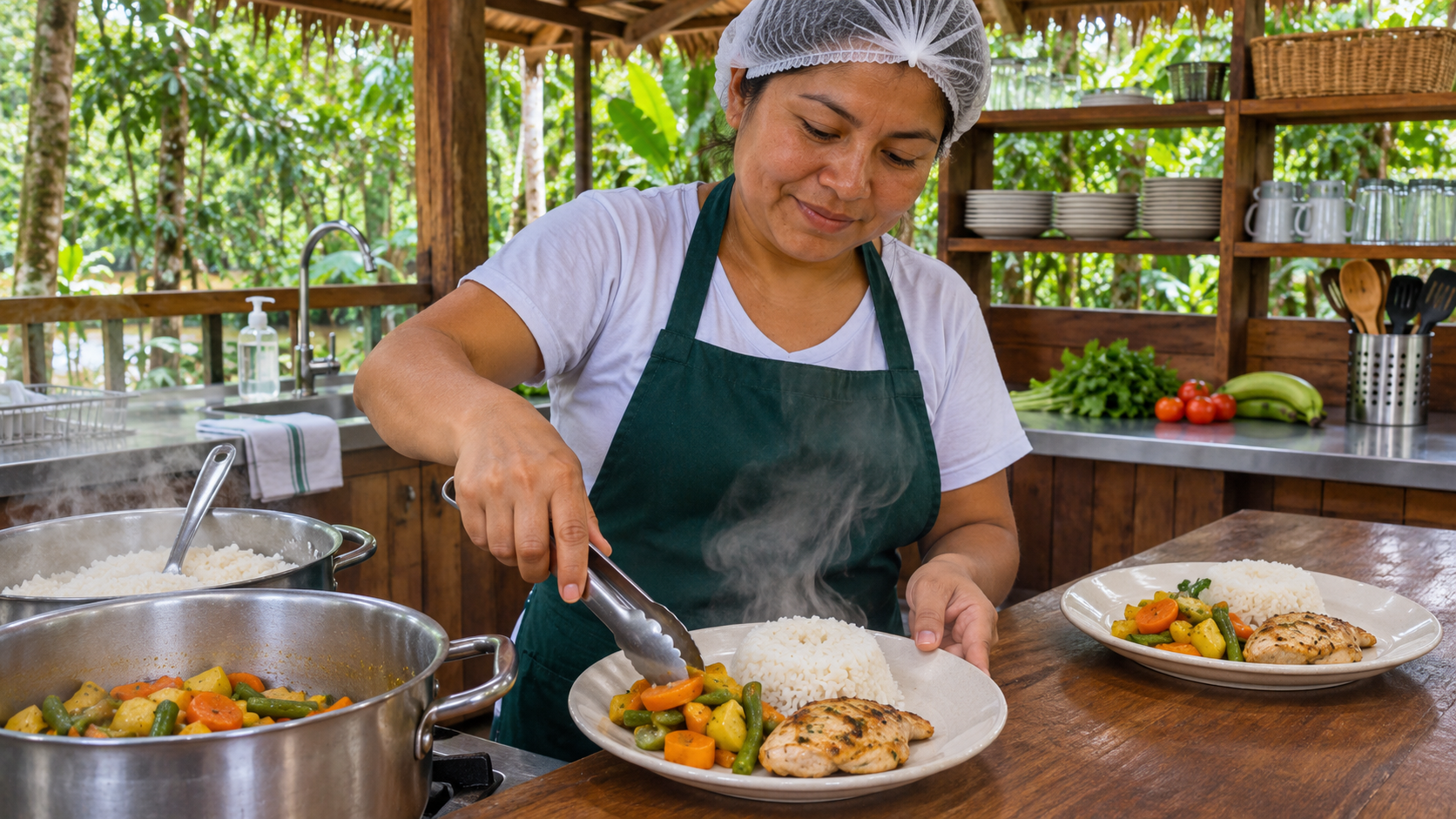
A useful rule is: cook it thoroughly, eat it hot, peel it yourself or leave it. This does not guarantee zero risk, but it helps reduce exposure.
Prefer meals cooked through and served promptly
Choose vegetables, grains, eggs, fish and meat that are fully cooked and still hot when served. Lukewarm food at a buffet may have spent too long in the temperature range where microorganisms multiply. If a meal has been sitting uncovered, ask for a freshly prepared option.
Raw or undercooked seafood carries additional risk. Ceviche is culturally important in Peru, but citrus juice does not reliably eliminate every pathogen. A traveler trying to protect retreat time may reasonably save raw seafood for another occasion.
Be selective with produce and condiments
Fruit you peel yourself, such as a banana or orange, is generally a safer choice. Raw salads, cut fruit and fresh garnishes can be contaminated by wash water or handling. Cold sauces and mayonnaise-based mixtures require reliable refrigeration and clean preparation.
Dairy products should be pasteurized and kept cold. Avoid food from a container that is swollen, leaking or damaged. At markets and street stalls, look for high turnover, clean utensils, protected ingredients and food cooked in front of you.
Wash hands consistently
Wash with soap and safe water before eating, after using the toilet and after handling dirty items. Hand sanitizer is useful when washing facilities are unavailable, but it does not remove every kind of contamination and is not a substitute for visibly dirty hands.
Questions to ask an ayahuasca retreat
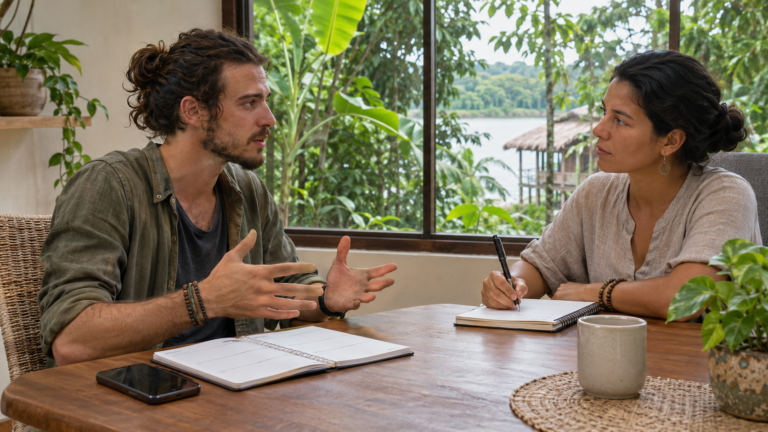
A trustworthy answer should be specific. Before booking or arrival, ask:
- What is the source of drinking water, and how is it treated and stored?
- Is safe water available at all hours, including near bedrooms and the ceremony space?
- Is safe water used for ice, brushing teeth, food preparation and washing produce?
- How are reusable bottles, dispensers and kitchen surfaces cleaned?
- How is cold food refrigerated and hot food held before service?
- Can the kitchen accommodate allergies, intolerances and medically necessary diets?
- What happens if a guest develops diarrhea, fever or repeated vomiting?
- Which clinic is used, and how is an ill guest transported from the property?
Dietary accommodation should be discussed separately from the traditional ayahuasca diet before and after retreat. A ceremonial food restriction should never override a medical need or encourage unsafe fasting.
Hydration in Amazon heat and around ceremonies
Sweating, diarrhea and vomiting all remove water and salts. Begin the retreat normally hydrated rather than trying to “cleanse” through dehydration. Drink regularly according to thirst and staff or clinician guidance, and pay attention to dark urine, dizziness, dry mouth, headache and unusual weakness.
Do not force extreme quantities of plain water. Excessive water intake can also be dangerous. People with heart, kidney or endocrine conditions need individualized medical advice about fluid and electrolyte intake.
If diarrhea begins, oral rehydration solution can replace water and electrolytes more effectively than plain water alone. Mix a commercially prepared packet exactly as directed, using the stated amount of sealed or properly treated water. Do not guess the concentration, and do not prepare it with unsafe water.
Pack a few packets in your carry-on together with other useful items from our Iquitos ayahuasca retreat packing list. Ask a travel-health professional before departure which medicines are appropriate for you; antibiotics and anti-diarrheal medicines are not one-size-fits-all.
Diarrhea or vomiting during a retreat
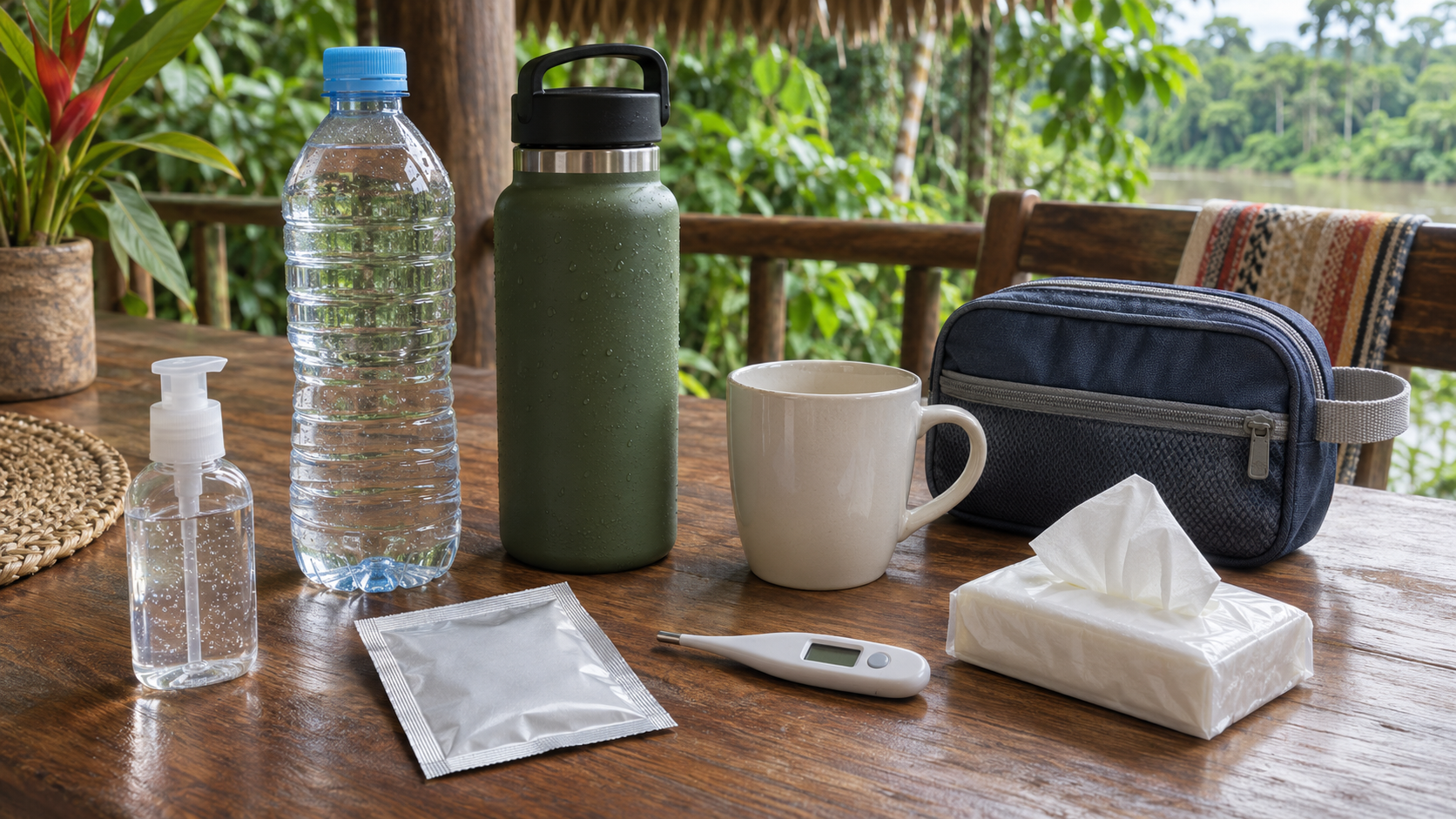
Tell retreat staff as soon as symptoms begin. Record when they started, how often they occur, whether you have fever, and whether there is blood. Stay near safe water and a bathroom, rest, and avoid preparing food for other guests.
Do not participate in an ayahuasca ceremony while you have active diarrhea, repeated vomiting, fever, significant weakness or signs of dehydration. Ayahuasca itself can cause vomiting and diarrhea, making dehydration worse and obscuring whether an infection is progressing.
Illness is not automatically “purging” or “detox”
Symptoms that occur around a ceremony still require ordinary medical judgment. Fever, bloody diarrhea, severe abdominal pain, persistent vomiting or reduced consciousness are not spiritual milestones. Retreat staff should never discourage a guest from seeking professional care or suggest that continuing ceremony is the only response.
When speaking with a clinician, disclose ayahuasca use, prescription medicines, supplements and all symptoms. This information helps them consider interactions, dehydration and infection. Read our broader guide on how to prepare for an ayahuasca retreat before making medication changes.
When to seek medical care urgently
Arrange prompt professional assessment if symptoms are severe, worsening or difficult to monitor remotely. Urgent warning signs include:
- Blood in stool or vomit
- Repeated vomiting or inability to keep fluids down
- High fever, confusion, fainting or marked drowsiness
- Severe or persistent abdominal pain
- Very little urine, extreme thirst, rapid breathing or other signs of significant dehydration
- Diarrhea lasting more than several days or symptoms that improve and then return
Seek advice earlier for a pregnant traveler, a child, an older adult, or anyone with a weakened immune system or significant chronic condition. If fever occurs in the Amazon or after returning home, tell the clinician where and when you traveled. Fever may have causes unrelated to food, including dengue in Iquitos or malaria, and should not be self-diagnosed.
Persistent stomach symptoms after Peru
Some parasitic infections can persist after the trip. CDC notes that Giardia and Cyclospora occur in Peru and can be acquired through contaminated food or water. Ongoing watery diarrhea, bloating, fatigue, weight loss or recurring symptoms deserve clinical evaluation rather than repeated self-treatment.
Tell the clinician about travel to Iquitos, the dates, foods and water exposures, and any treatment already taken. Depending on the history, they may order specific tests that would not be routine for someone without international travel.
Simple food and water packing checklist
- Clean reusable bottle with a secure cap
- Oral rehydration packets
- Alcohol-based hand sanitizer and soap sheets or travel soap
- Digital thermometer
- Small supply of tissues and sealable bags
- Travel-insurance details and clinic contacts stored offline
- Personal medicines in original packaging
- Doctor’s note for important medicines or dietary requirements
Keep essential supplies in your carry-on. Before traveling from the city, confirm the retreat transfer, expected journey time and what emergency transport is available. Our guide on where to stay in Iquitos before and after a retreat can help you leave recovery time around the program.
Frequently asked questions
Can I drink tap water in Iquitos?
Use sealed bottled water or water that has been properly treated unless a reliable source confirms the tap water is safe. Remember brushing teeth, ice and drink preparation.
Is retreat food automatically safer than restaurant food?
No. Safety depends on the water source, hand hygiene, cooking, storage and serving practices. Ask the retreat for specific procedures rather than relying on a rural or “natural” setting.
Should I fast before ayahuasca?
Follow medically safe instructions from a responsible provider, but avoid prolonged fasting or deliberate dehydration. Tell the retreat about diabetes, pregnancy, eating disorders, kidney disease and other conditions that affect food or fluid needs.
Can I attend ceremony after one episode of diarrhea?
Report it and be assessed before participating. A single episode may progress, and ceremony-related vomiting can increase dehydration. The safest decision depends on symptoms, timing and professional advice.
What should I do if I become ill after returning home?
Contact a clinician and mention travel to the Peruvian Amazon, even if symptoms began later. Seek urgent care for severe symptoms or dehydration warning signs.
Plan your Iquitos retreat with clear safety standards
Food and water precautions are part of responsible retreat preparation, not a reason to avoid Iquitos. Confirm the basics before you arrive, make consistent choices and speak up early when something feels wrong.
Review Ayaterra’s ayahuasca retreat programs in Iquitos and contact our team with questions about drinking water, meals, dietary needs, transfers and guest support.
Official travel-health sources
- CDC Yellow Book: Peru
- CDC Yellow Book: food and water precautions
- CDC Yellow Book: travelers’ diarrhea
- World Health Organization: guide on safe food for travelers
- Peru Ministry of Health: healthy traveler guidance
Medical disclaimer: This article provides general travel-health information and is not a diagnosis or a substitute for personalized medical advice. Consult a qualified travel-health professional before departure and seek urgent care for severe or worsening symptoms.