What is included in an ayahuasca retreat in Peru? The short answer is that most residential packages combine accommodation, scheduled meals, ceremonies, on-site support and some form of local transport. The important answer is that the exact meaning of each item varies widely.
“Accommodation included” may mean a shared room and bathroom rather than a private bungalow. “Airport transfer” may begin at a fixed hotel in Iquitos instead of the airport. “Integration” may be one group conversation, not ongoing individual care. A useful comparison therefore looks beyond the headline price and checks the written itinerary, inclusions, exclusions and policies.
Quick answer: what is normally included?
A Peru ayahuasca retreat package may include lodging at the center, meals according to the itinerary, a stated number of ceremonies, facilitators or translators, preparation and post-ceremony conversations, use of the property and transport between an agreed pickup point and the retreat.
International and domestic flights, extra hotel nights, travel insurance, personal purchases, private-room upgrades and emergency medical or evacuation costs are commonly separate unless the package explicitly says otherwise. Always use the provider’s written confirmation for your specific dates.
Ayahuasca retreat inclusions checklist
Use this list before comparing packages. Mark each item as included, excluded, optional at extra cost or still unconfirmed.
- Number of nights and exact check-in and departure times
- Room occupancy and bathroom arrangement
- Meals and drinking water
- Number of scheduled ayahuasca ceremonies
- Shamans, facilitators, interpreters and sober support staff
- Health screening and preparation information
- Orientation and ceremony guidelines
- Post-ceremony conversations or integration sessions
- Local pickup and return transport
- Activities listed in the itinerary
- Use of retreat facilities
- Taxes, booking fees and payment charges
- Cancellation, refund and rescheduling terms
- Emergency transport arrangements and financial responsibility
- Any follow-up contact after departure
A package is not necessarily worse because it excludes an item. It becomes difficult to compare when the operator leaves the item undefined.
1. Accommodation at the retreat center
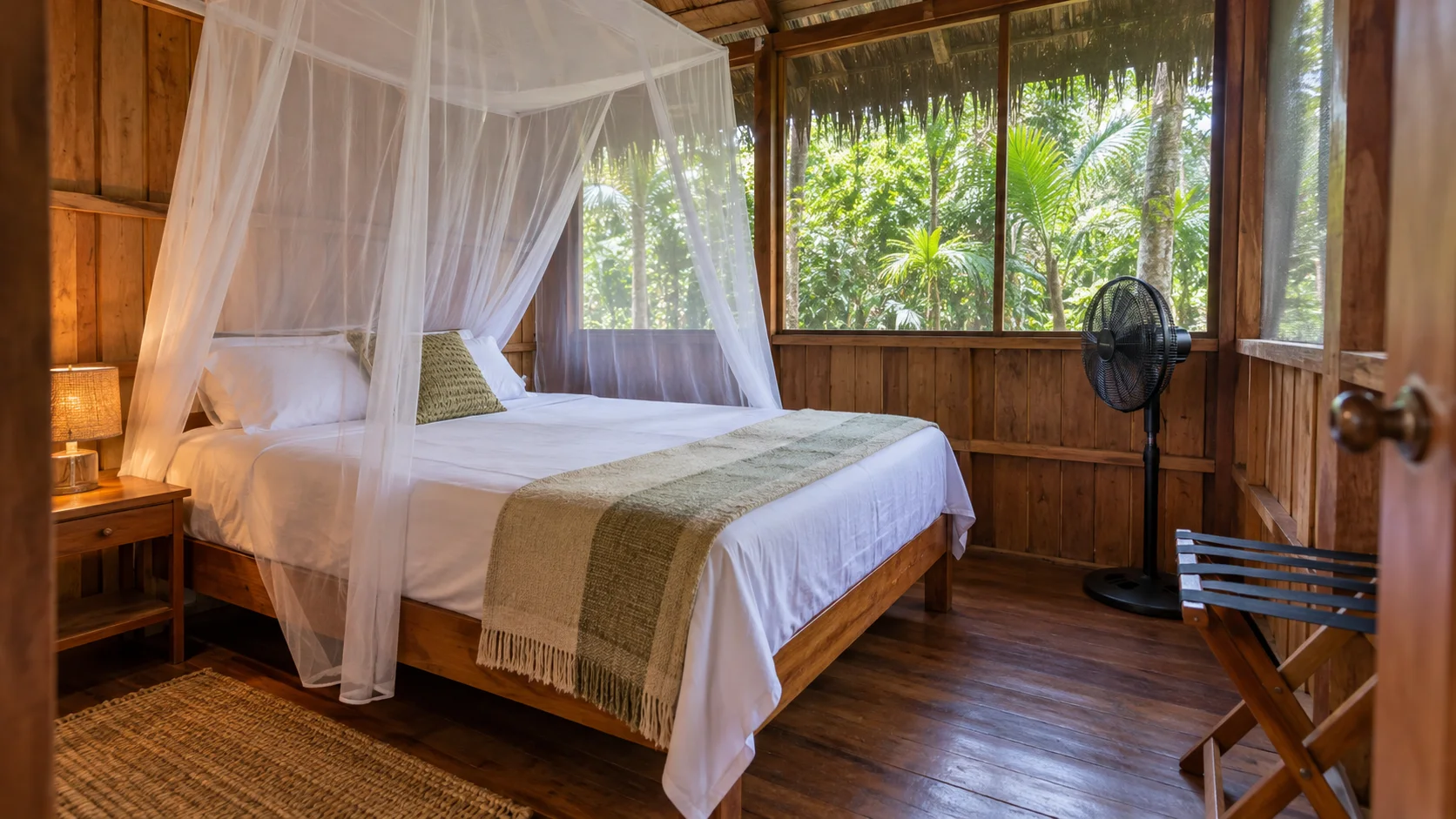
Residential retreats generally include a bed for the nights shown in the program. Do not assume that all accommodation is the same. In and around Iquitos, a room may be in a main lodge, cabin or bungalow. It may be single, twin or shared occupancy, and the bathroom may be private, attached or communal.
Ask about mosquito netting or screens, fans, electricity hours, charging outlets, hot water, locks, bedding, towel changes and the walking distance to bathrooms and ceremony spaces. If you have mobility, sleep, temperature or accessibility needs, describe them before paying. Photos can show the property while still failing to show the exact room category assigned to your booking.
A private room does not mean a private retreat. Meals, transfers, ceremonies and discussions may still be shared. Read our comparison of private and small-group ayahuasca retreats if privacy is a priority.
2. Meals and drinking water
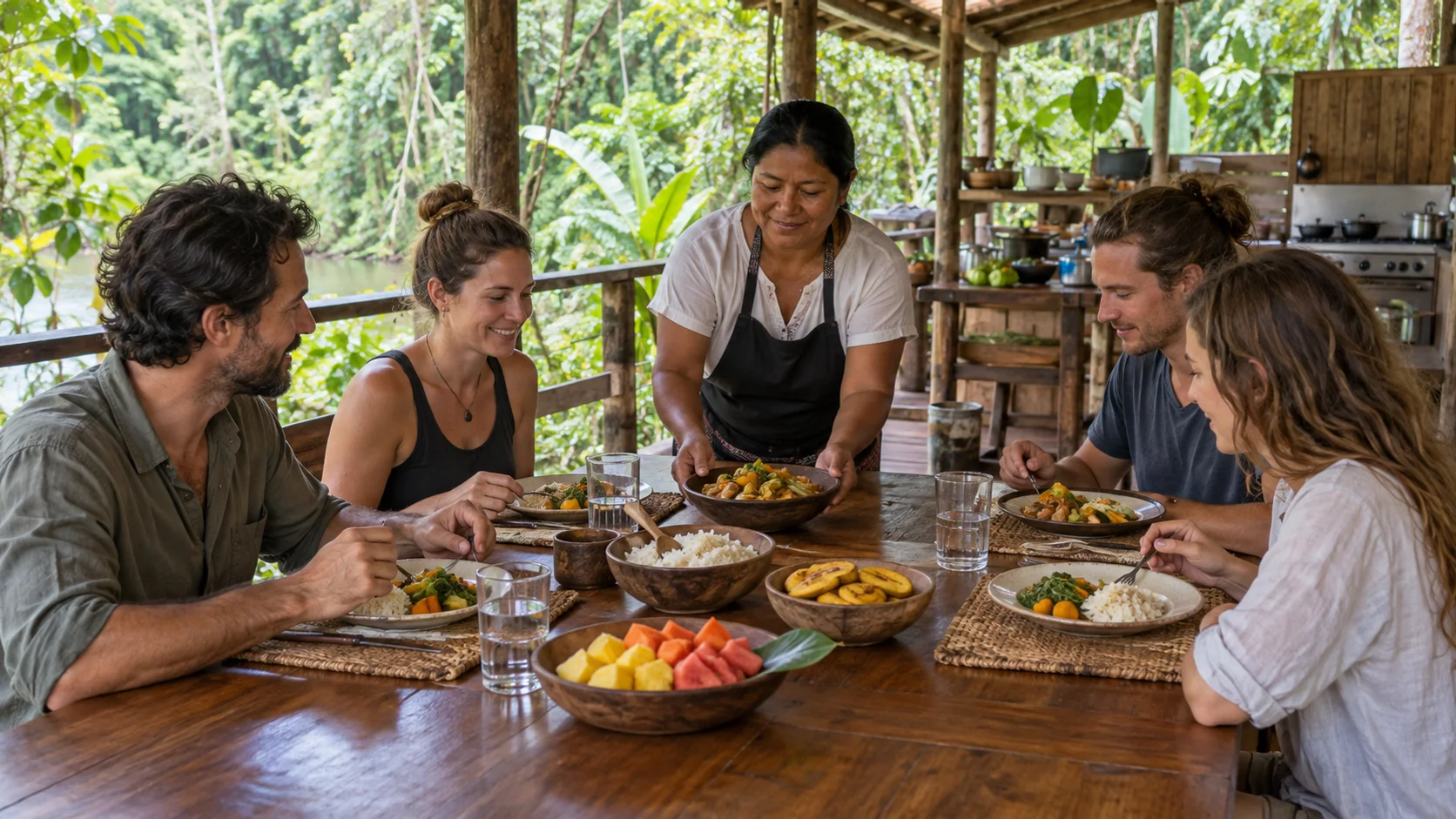
Many retreats include meals prepared on site, but “all meals” may not mean three meals every day. Ceremony-day schedules can involve lighter food, earlier service or no evening meal. The itinerary should show which meals are served on arrival and departure days.
Ask whether filtered or bottled drinking water is continuously available and whether tea, fruit or snacks are provided between meals. Discuss allergies, intolerances, vegetarian or vegan needs and cross-contamination risks. A remote kitchen may not be able to accommodate every diet without advance notice.
Retreat food is often described as simple or aligned with a preparation diet. That description does not establish medical value and does not replace nutrition or medical advice. Do not fast, make extreme dietary changes or stop prescribed medication solely because a generic retreat checklist tells you to do so.
For broader preparation questions, review our practical ayahuasca diet guide.
3. A specific number of ceremonies
A retreat package should state how many ayahuasca ceremonies appear in the itinerary. Longer does not always mean more ceremonies: some programs use additional days for preparation, rest or integration. Compare the schedule rather than calculating value only by the number of sessions.
Confirm whether the quoted price covers the brew used in all scheduled ceremonies and whether there are optional ceremonies or add-on substances at extra cost. Ask what happens when a ceremony changes because of weather, facilitator availability or a health concern. A responsible program should not pressure a guest to participate merely because the ceremony was prepaid.
No package can guarantee that you will drink ayahuasca on every scheduled night. Eligibility can change, and a participant should retain the right to decline. Learn what the setting may involve in what happens during an ayahuasca ceremony.
4. Shamans, facilitators and language support
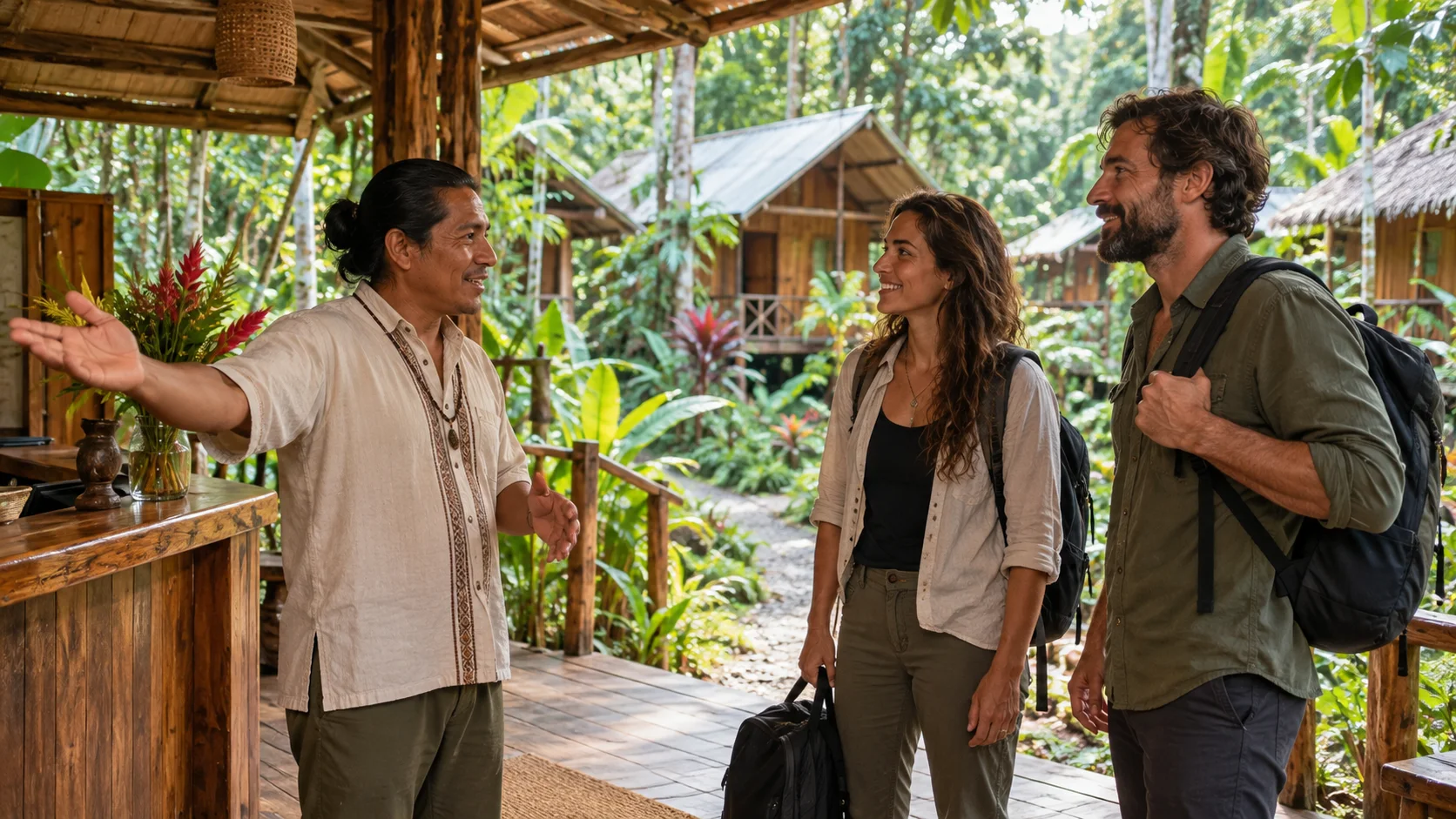
The price usually covers the retreat’s scheduled staff, but job titles alone do not explain their roles. Ask who leads ceremonies, who remains sober, who handles practical support, who translates and who has first-aid or emergency responsibilities.
“Bilingual support” can mean a translator is present for scheduled group discussions, not that someone is available in your language at every hour. If you need English-language screening, consent information or individual conversations, confirm each one separately.
Also ask how many trained and sober staff are assigned during ceremonies and what happens if multiple participants need help simultaneously. There is no universal evidence-based staff-to-guest ratio; relevant factors include the group’s needs, property layout, staff roles and backup coverage.
5. Screening, orientation and preparation
Health screening is not a bonus amenity. It is part of responsible participation. Before booking or final acceptance, the provider should request relevant information about medications, physical health, pregnancy, mental-health history and substance use, then explain the limits and risks of the program.
A better-practices guide for organizers and participants recommends a general health questionnaire, individual interview, safety criteria and informed consent. Ask who reviews your answers and what qualifications or escalation process they use. A form that nobody discusses is not the same as a meaningful screening process.
Do not stop or change prescription medication based only on retreat instructions. Decisions about tapering, pausing or restarting medication belong with the clinician responsible for your treatment. Our ayahuasca safety and contraindications guide explains why this matters.
6. Preparation and post-ceremony conversations
Packages may include orientation, intention-setting, group sharing, individual check-ins or post-ceremony conversations. These terms are not interchangeable with licensed psychotherapy. Ask for the format, duration, staff qualifications and number of sessions.
Some guests prefer listening rather than speaking in a group. Confirm whether sharing is optional and whether private support is available. Also clarify what happens after departure. “Integration included” may describe a final group meeting, a scheduled follow-up call or only general written suggestions.
Plan beyond the package with our guide to ayahuasca integration after a retreat.
7. Local pickup and return transportation
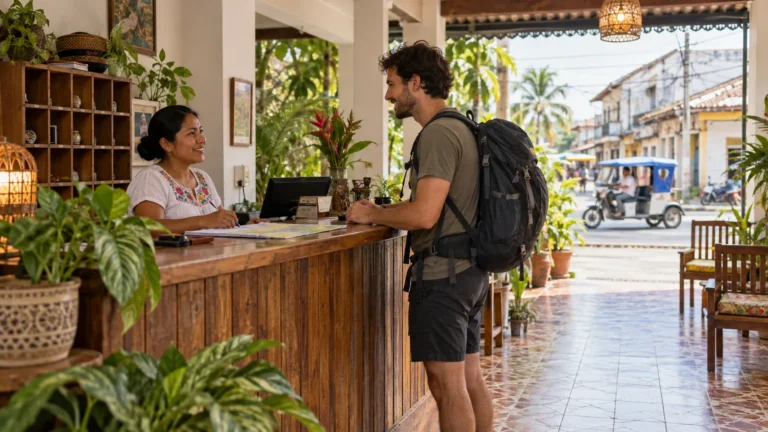
Many Iquitos retreat packages include transport from an agreed pickup point to the center and back. The wording matters. The pickup point may be Iquitos airport, a named hotel, the provider’s city office or a river port. It may operate only at one scheduled time.
Confirm the date, time, address, luggage limit, vehicle or boat stages and who to contact after a flight delay. Ask where the return transfer ends and whether it reaches the airport early enough for your flight. International flights, Lima–Iquitos flights, taxis outside the scheduled transfer and unplanned early departures are often separate.
Our Iquitos retreat travel guide covers flight buffers, overnight stays and pickup planning.
8. Additional activities and facilities
Programs may list breathwork, plant steam baths, yoga, massage, nature walks or consultations. Check whether each activity is guaranteed, optional, weather-dependent, offered only on certain dates or substituted according to availability.
Do not assume that every activity is suitable for you. Disclose injuries, pregnancy, cardiovascular concerns or other relevant conditions during screening. Ask whether you can opt out and rest without losing access to essential meals, accommodation or transport.
“Use of facilities” may refer to common dining, rest and outdoor areas rather than a pool, gym or hotel-style services. Request current photos and practical details instead of relying on a generic description.
What is commonly not included?
Unless the provider states otherwise, budget separately for:
- International flights to Peru
- Domestic flights between Lima and Iquitos
- Hotels before or after the retreat
- Airport meals, taxis and excess baggage
- Travel health, cancellation and medical evacuation insurance
- Passport, visa or vaccination expenses
- Personal toiletries, clothing and equipment
- Optional room upgrades, massages or excursions
- Tips, souvenirs and personal purchases
- Medical consultations, treatment and emergency evacuation
- Changes caused by missed flights or voluntary early departure
The CDC advises travelers to Peru to plan how they would obtain care and to consider travel health and medical evacuation insurance. The U.S. Department of State also distinguishes medical, evacuation and trip-cancellation coverage because they protect against different costs. Read the policy exclusions carefully; do not assume participation in a retreat is covered.
Hidden costs to ask about
A clear package can still create extra expenses through travel timing and policies. Ask these questions before paying:
- Is tax included in the displayed price?
- Are card, currency conversion or bank-transfer fees added?
- Is a private room included or offered as an upgrade?
- Do I need an Iquitos hotel before the scheduled pickup?
- Who pays for transport if I leave early?
- Are optional activities priced separately?
- What happens financially if screening does not approve participation?
- Which deposits are non-refundable?
- Can dates be transferred, and is there a change fee?
- What costs are my responsibility during an emergency?
Compare the complete trip budget with our guide to ayahuasca retreat costs in Peru.
What Ayaterra Iquitos currently includes
Ayaterra publishes small-group programs of different lengths. The current product pages list round-trip transport between an agreed Iquitos pickup point and Ayaterra, accommodation, meals according to the itinerary, English- and Spanish-speaking facilitation, scheduled ceremonies, shamans, the brew for those scheduled ceremonies, daily support, post-ceremony conversations, facilities and on-site kitchen staff.
The published itineraries differ:
| Program | Nights | Scheduled ceremonies | Published highlights |
|---|---|---|---|
| 3 days | 2 | 2 | Orientation, conversations, steam bath and breathwork |
| 5 days | 4 | 3 | Rest day, steam bath and massage or yoga depending on program |
| 7 days | 6 | 4 | Rest days, steam baths, breathwork and restorative activity |
| 8 days | 7 | 3 | Longer dietary preparation, consultations, steam baths and breathwork |
Details, availability and room arrangements can change. Review the exact product page and obtain written confirmation for your dates. You can compare all Ayaterra Iquitos retreat options or contact the team before purchasing flights.
Frequently asked questions
Are flights included in ayahuasca retreat packages?
Usually not. International flights and domestic flights to Iquitos are generally booked separately. Local transport may begin only from a specified point and time in Iquitos.
Does the price include a private room?
Not unless the package explicitly says so. Confirm occupancy, bed configuration and whether the bathroom is private or shared. A single supplement may apply.
Are all meals included?
Many residential programs provide meals according to the itinerary, but arrival, departure and ceremony days may follow a limited schedule. Ask for the meal plan and discuss allergies before booking.
Is travel insurance included?
Normally no. Travel health, medical evacuation and trip-cancellation insurance are separate products with different coverage. Verify that the policy covers your destination, planned activities and relevant pre-existing conditions.
Are extra ceremonies included?
The package should cover only the number shown in the confirmed itinerary. Do not assume an additional ceremony is available or appropriate. Participation remains subject to screening, current health and consent.
Does “integration included” mean therapy?
No. It may mean a group conversation, individual check-in or follow-up message. Ask who provides it and whether they hold relevant professional qualifications. A retreat is not a substitute for individualized medical or mental-health care.
Bottom line
The best retreat comparison is a line-by-line comparison. Confirm the room, bathroom, meals, water, transport endpoints, ceremony count, staff roles, language support, optional activities, follow-up and financial policies in writing. Then add the costs that occur outside the property.
A detailed inclusion list helps with budgeting, but it also reveals how clearly the retreat communicates. If a provider cannot explain what happens before arrival, during the program and after departure, do not let an attractive headline price make the decision for you.
Sources and further planning
- CDC Travelers’ Health: Peru — destination health planning, insurance and access-to-care considerations.
- U.S. Department of State: Travel Insurance — differences among travel health, medical evacuation and trip-cancellation insurance.
- Towards Better Ayahuasca Practices — organizer and participant guidance covering information, screening and informed consent.
This article provides general educational and travel-planning information, not medical advice. Ayahuasca can involve serious physical and psychological risks and is not appropriate for everyone.