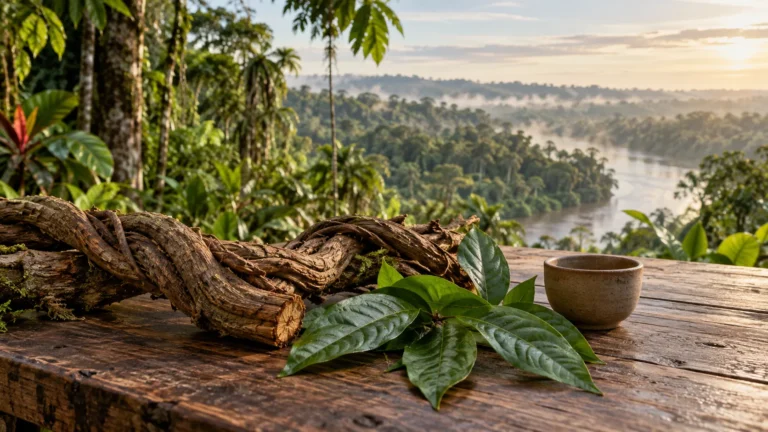
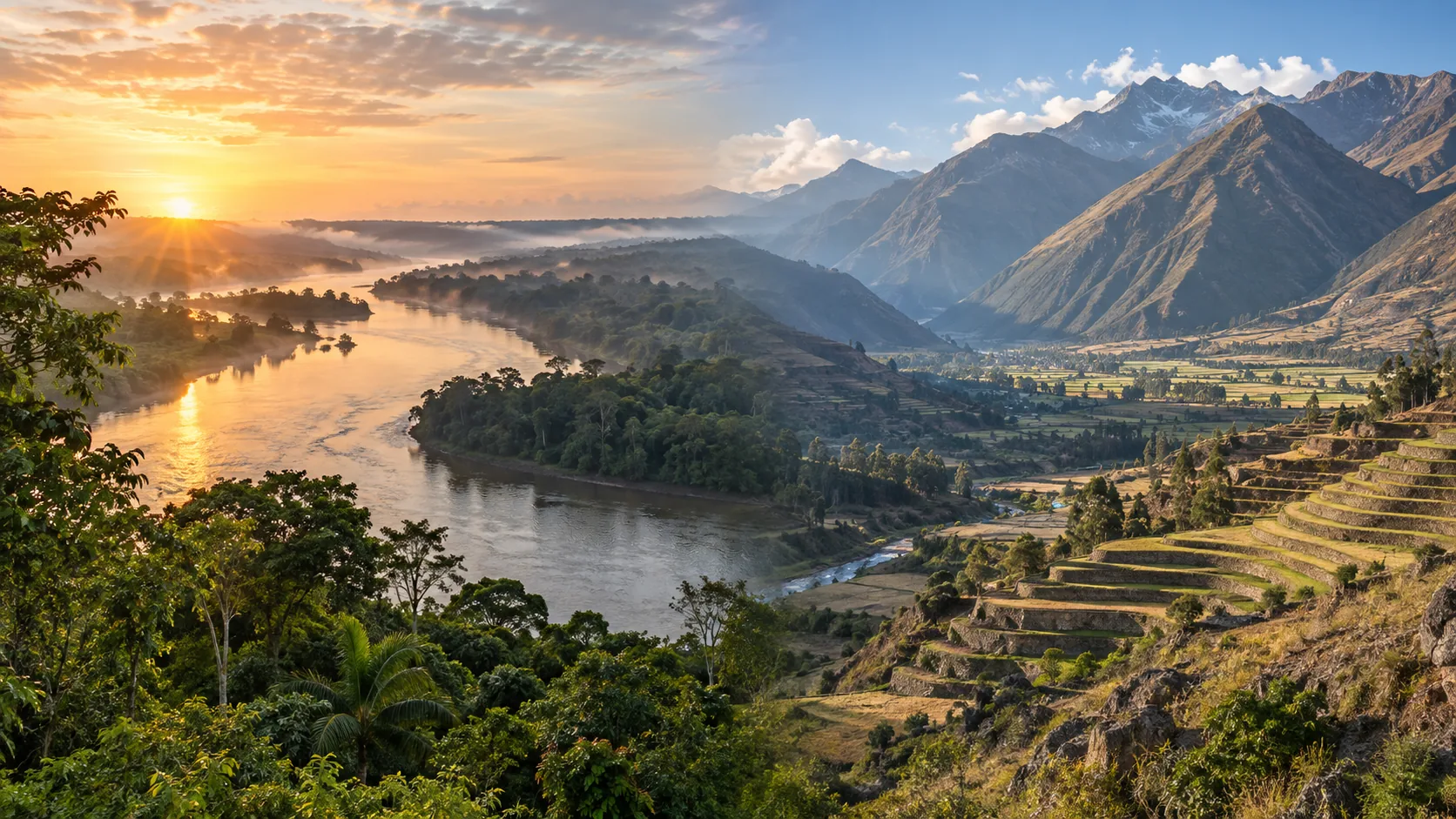
Iquitos and the Sacred Valley are two of the best-known destinations considered by travelers looking for an ayahuasca retreat in Peru. They offer very different environments: Iquitos sits in the lowland Amazon, while the Sacred Valley lies high in the Andes near Cusco. Neither location is automatically better, safer or more authentic. The right choice depends on your health, travel tolerance, preferred climate and, most importantly, the quality of the individual retreat.
Location can shape the experience, but it cannot replace medical screening, trained staff, clear boundaries, emergency planning and responsible follow-up. Use this comparison to narrow the geography, then evaluate the actual provider with our guide to choosing a safer ayahuasca retreat in Peru.
Iquitos vs Sacred Valley at a glance
Iquitos may suit you if
- You want a lowland Amazon rainforest setting.
- You tolerate heat and humidity better than altitude and cold nights.
- You value proximity to living Amazonian plant traditions.
- You are comfortable with boat transfers, insects, rain and simpler remote infrastructure.
- You can plan appropriately for tropical travel health.
The Sacred Valley may suit you if
- You prefer mountain scenery, cooler air and drier-feeling conditions during parts of the year.
- You want to combine the retreat with Cusco, Machu Picchu or other Andean travel.
- You can acclimatize gradually and have no health reason to avoid high elevation.
- You prefer road access to many towns and tourism services.
- You are prepared for strong sun, cold nights and seasonal rain.
These are practical tendencies, not guarantees. Facilities across both regions range from simple to luxurious and from carefully managed to poorly supervised. Ask for precise information rather than relying on destination stereotypes.
Iquitos: a lowland Amazon setting
Iquitos is the capital of Peru’s Loreto region and lies at roughly 104 meters above sea level, according to PromPerú travel information. The city is connected to the rest of Peru primarily by air or river rather than a national road network. PromPerú lists flights from Lima at roughly 1 hour 40 minutes, although schedules and journey times should always be checked for your dates.
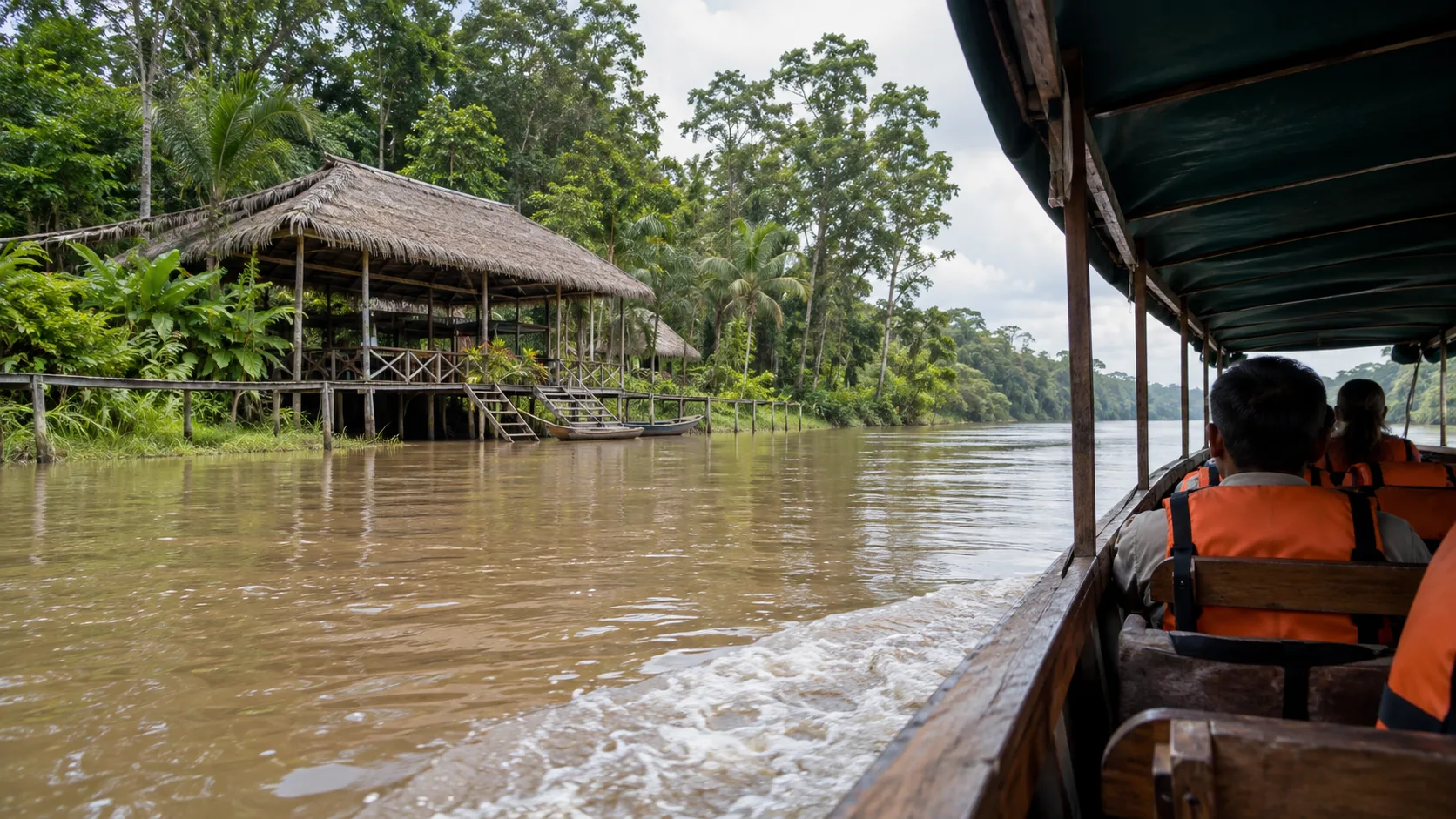
From Iquitos, retreat transfers may continue by road, river or both. Some properties are relatively close to the city; others are genuinely remote. Ask the center for a step-by-step transfer plan, including the vehicle or boat used, life jackets, weather delays, baggage limits and nighttime procedures.
Climate and physical comfort in Iquitos
Iquitos has a tropical, humid climate. Official tourism material gives an approximate annual range of 21–38°C and distinguishes higher-water and lower-water periods rather than four conventional seasons. Rain is possible throughout the year, while river levels can influence routes and landscapes.
Practical consequences include heat, sweating, insects, mud, sudden rain and limited air-conditioning in remote lodges. Confirm whether rooms have fans, mosquito nets, screened windows, potable water and easy bathroom access at night. Pack breathable clothing, a light rain layer and footwear that can handle wet ground.
The Amazonian cultural context
Ayahuasca traditions are diverse across the Amazon and cannot be reduced to one standardized practice. Iquitos offers geographic proximity to communities and practitioners connected with Amazonian plant traditions, but simply being in the rainforest does not prove legitimacy. Ask who leads ceremonies, what lineage or community they identify with, how consent and touch are handled, how local staff are compensated and how traditional knowledge is represented.
Avoid centers that use Indigenous identity only as decoration, make unverifiable claims about a healer, or present every Amazonian community as if it shares the same beliefs. Respect includes accurate attribution, fair relationships and transparent conduct.
Sacred Valley: a high-Andean setting
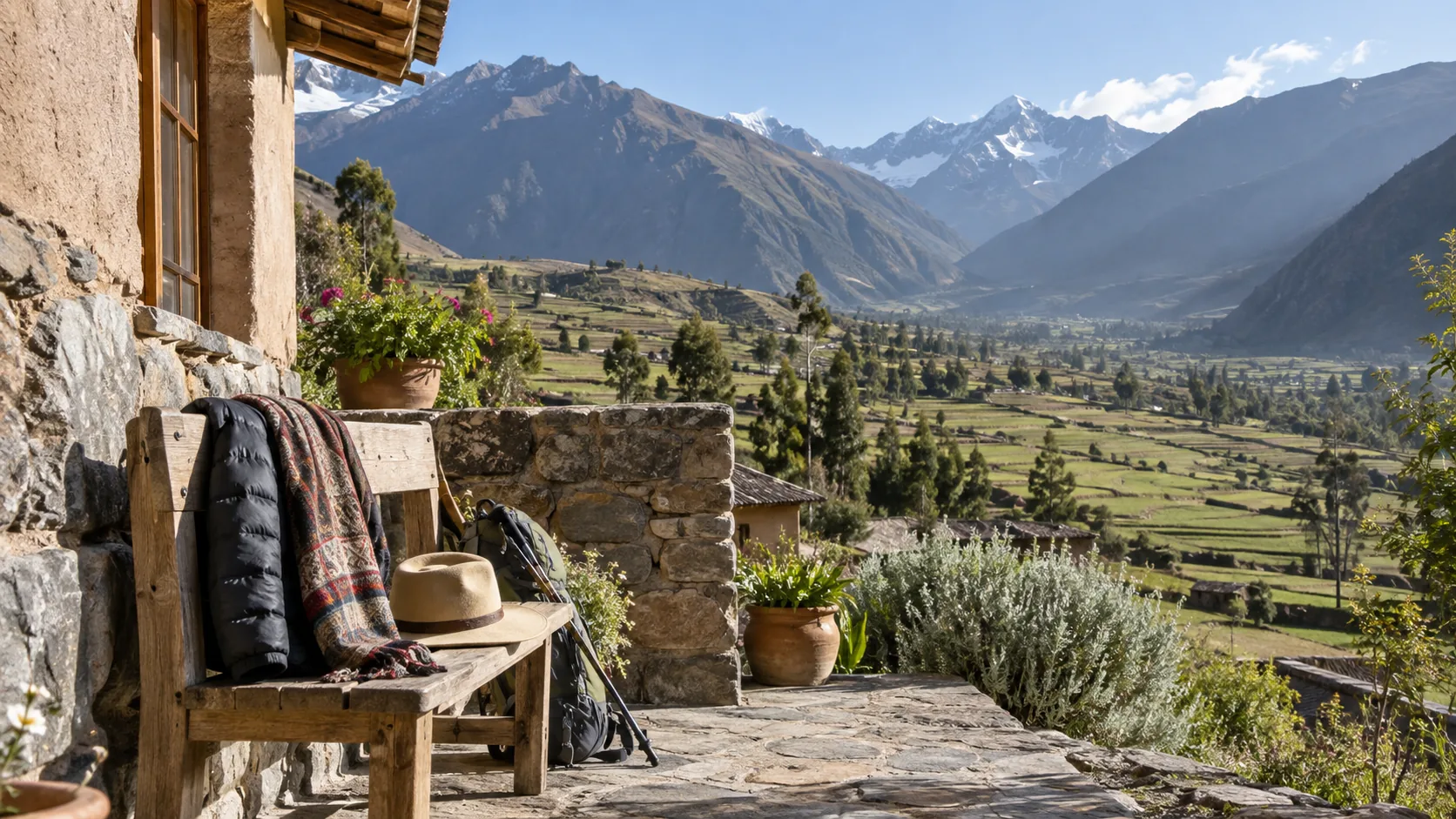
The Sacred Valley extends through towns and agricultural landscapes between the Cusco area and Machu Picchu. Elevation varies by location. For context, official Peru travel information lists Urubamba-area attractions around 2,873 meters above sea level, while Cusco itself is higher. Always ask for the exact elevation of the retreat property rather than assuming the entire valley is the same.
Many locations are reached by road from Cusco, followed in some cases by smaller rural roads. The region has extensive tourism infrastructure, but travel time depends on the town, traffic, road conditions and season. Confirm who arranges airport pickup, how long the actual transfer takes and whether the center has a backup plan during road disruptions.
Altitude deserves planning
High elevation is the most important environmental difference. Visitors may experience headache, fatigue, nausea, dizziness or disturbed sleep during acclimatization. Those symptoms can overlap with fasting, dehydration, anxiety or other health problems, making assessment harder around a ceremony.
Do not schedule an ayahuasca ceremony immediately after flying from sea level. Ask a travel-medicine clinician how to acclimatize based on your health and itinerary, especially if you have heart or lung disease, pregnancy, a history of severe altitude illness or another relevant condition. A retreat should explain how it distinguishes altitude symptoms from ceremony-related effects and how it obtains medical care.
Temperature and seasonality in the Andes
The Sacred Valley generally has larger differences between daytime and nighttime temperatures than Iquitos. Sun can feel intense at elevation, while evenings may be cold. Rainfall is seasonal, and rural roads or hiking plans can be affected during wetter periods.
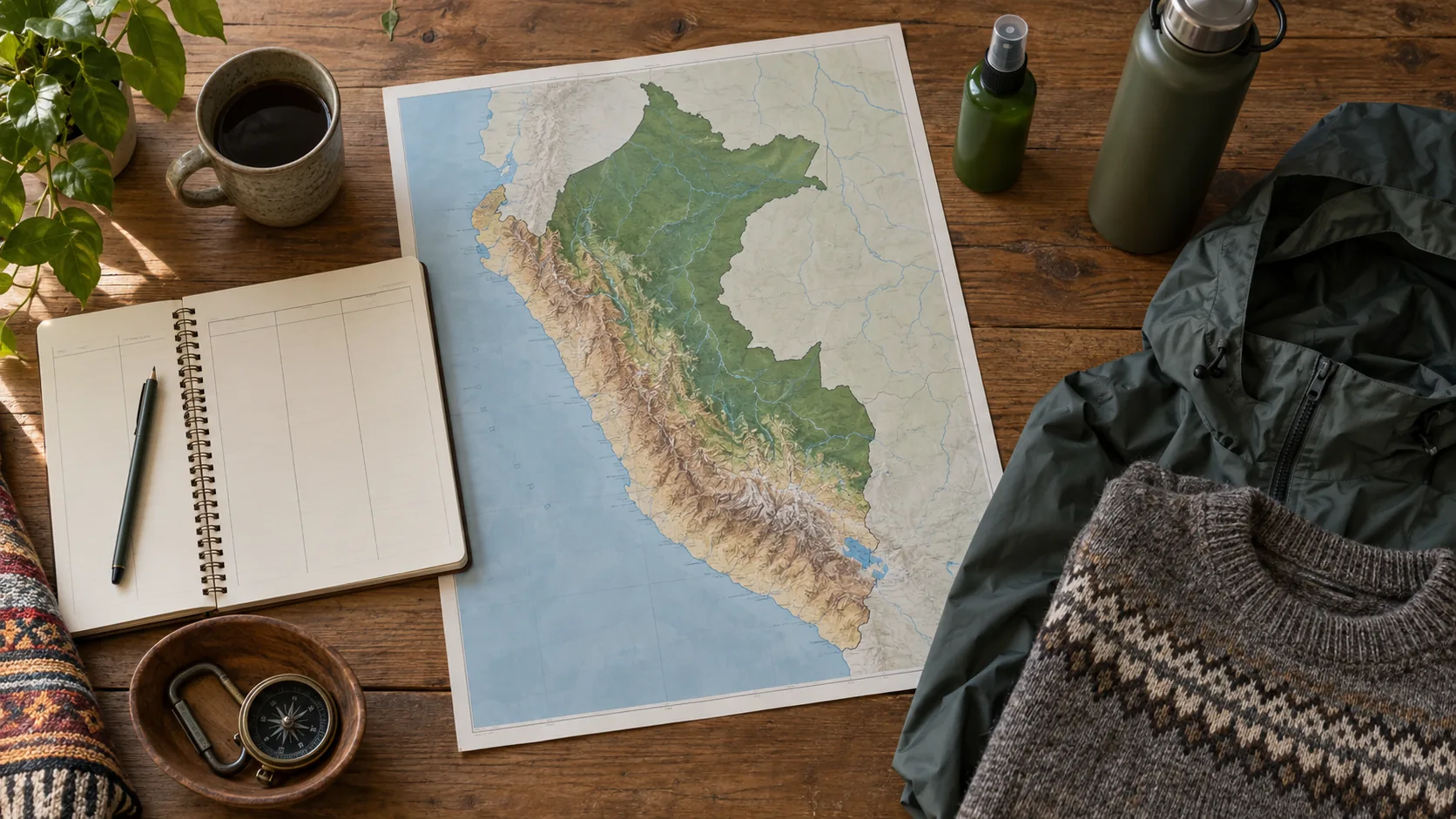
Bring layers rather than one heavy item: sun protection, a warm sweater or jacket, rain protection and suitable shoes. Ask whether rooms are heated, how warm the ceremony space remains overnight and whether blankets are provided. A beautiful mountain view does not answer basic questions about warmth, hydration or medical response.
Travel health differences
Travel health is not identical between Peru’s lowland Amazon and its highland tourism areas. The CDC’s Peru traveler guidance identifies malaria transmission in some areas east of the Andes below 2,500 meters, including Iquitos, and provides region-specific yellow-fever recommendations. It distinguishes those areas from highland destinations such as Cusco and Machu Picchu.
Recommendations depend on the exact itinerary, age, health history and country-specific clinical guidance. Consult a travel-health professional before departure rather than relying on a retreat blog. Do not assume that a vaccine or preventive medication is compatible with every medical condition or with a ceremony; disclose the plan during retreat screening and to the clinician advising you.
For either destination, consider travel insurance that covers the activities and region, along with medical evacuation if the retreat is remote. Carry essential prescribed medication in original packaging and never stop or change it solely because a retreat requests it. Review all medications and supplements with the appropriate prescriber and the retreat’s qualified screening professional.
Access and emergency response
Iquitos and the Sacred Valley create different logistical questions, but remoteness can occur in both.
Questions for an Iquitos retreat
- Is the property reached by road, boat or both?
- Are life jackets available for every passenger and worn during transfers?
- What communication works if mobile service fails?
- What is the realistic transfer time to an appropriate clinic in daylight and at night?
- How do high water, low water, storms or darkness change the evacuation plan?
Questions for a Sacred Valley retreat
- What is the property’s exact elevation?
- How far is it from the nearest appropriate clinic by road?
- What happens if roads are blocked or transport is unavailable?
- Can staff recognize and respond to altitude illness?
- Is the ceremony room warm, ventilated and accessible without steep or dark paths?
Ask for concrete answers with roles and times. “We have never had a problem” is not an emergency plan. Our complete ayahuasca retreat guide explains the broader screening, staffing and aftercare questions to review.
Does one destination offer a more authentic retreat?
Authenticity is not a measurable safety standard. Iquitos is located within the Amazonian environment where multiple ayahuasca traditions have developed, which may matter deeply to some guests. The Sacred Valley has a different Indigenous and regional history, and contemporary retreats there may combine Amazonian practices with Andean settings or modern wellness formats.
Instead of asking which region wins an authenticity contest, ask:
- Who is conducting the ceremony and what is their training?
- How are traditions described and credited?
- Are cultural elements explained without making universal claims?
- Are local workers and knowledge holders treated fairly?
- Does the program separate tradition, personal belief and medical fact?
- Are marketing images consistent with the actual staff and property?
A respectful program should be able to discuss its particular approach without claiming to represent every Indigenous tradition in Peru.
Ceremony quality matters more than scenery
A rainforest maloca and a mountain lodge can both look compelling online. Neither photograph tells you the participant-to-staff ratio, whether sober support remains available, how facilitators handle touch, or what happens during a medical emergency.
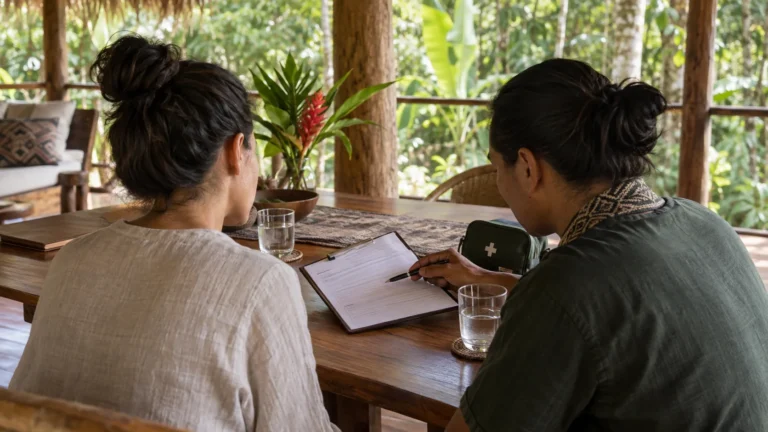
Before paying, request the written health questionnaire, contraindication policy, consent and touch policy, staff roles, emergency plan, cancellation terms and a complete list of inclusions. Read our step-by-step description of what happens during an ayahuasca ceremony so you can compare promises with practical safeguards.
Red flags in either destination include guaranteed healing, pressure to stop medication, sexualized “healing,” secrecy around staff identities, no sober overnight support, no credible evacuation plan and pressure to book immediately.
Comparing the total trip, not only the retreat price
The advertised price rarely reflects the full journey. Compare:
- International and domestic flights
- Airport accommodation before or after the program
- Road and boat transfers
- Travel-health consultation, vaccines or prescribed prevention
- Travel and medical evacuation insurance
- Baggage restrictions and equipment
- Acclimatization days in the Andes
- Recovery time before the flight home
- What meals, lodging and follow-up are actually included
A cheaper remote program can become more expensive after separate transfers and hotel nights. A higher package price may or may not include stronger staffing. Ask for an itemized description and evaluate safety independently from luxury.
How much time should you allow?
For Iquitos, leave room for domestic flight changes, weather-sensitive transfers and rest after arriving in heat and humidity. For the Sacred Valley, build in acclimatization before any ceremony. For both, avoid an itinerary that goes directly from the final ceremony to a long-haul flight or demanding tour.
After the retreat, a buffer allows sleep, food, hydration and reflection. Our guide to ayahuasca integration after a retreat provides a practical first-day, first-week and 30-day framework.
Choose Iquitos if the Amazon environment is central to your decision
Iquitos can be the stronger fit when you specifically value a lowland rainforest context and accept the practical realities that come with it. The heat, rain, insects and river travel are not background decoration; they are part of the trip. A well-run Iquitos retreat should prepare you for those conditions and explain its local relationships clearly.
Ayaterra’s programs are based near Iquitos. You can review the published duration, itinerary and inclusions on the Ayaterra retreat pages. Program information is not a substitute for eligibility screening, so disclose your full medical and medication history before booking travel.
Choose the Sacred Valley if altitude and an Andean itinerary suit you
The Sacred Valley can make sense if you want a mountain environment and plan to spend time around Cusco or Machu Picchu. It may offer easier road connections to established tourism towns than a remote river lodge, but exact access varies. Allow time to acclimatize, pack for cool nights and confirm that the center has appropriate altitude and emergency procedures.
Do not choose it because high altitude seems inherently more spiritual, just as you should not choose Iquitos because remoteness seems inherently safer. Geography affects logistics and comfort; provider practices determine much of the manageable risk.
A final decision checklist
Use these questions to reach a grounded choice:
- Which environment can I physically tolerate more comfortably: hot, humid lowland rainforest or cool, high-altitude mountains?
- Have I discussed destination-specific health considerations with a qualified clinician?
- Do I have enough days for travel, acclimatization or weather delays, and post-retreat recovery?
- Has the provider answered screening, medication, staffing, consent and emergency questions in writing?
- Do I know the exact property location, transfer method and distance to suitable medical care?
- Does the program respect local traditions without using them as vague marketing?
- Can I afford the complete trip, insurance and contingency costs without pressure?
- Am I choosing based on verified practices rather than scenery, testimonials or promises of transformation?
Frequently asked questions
Is Iquitos or the Sacred Valley better for a first ayahuasca retreat?
Neither destination is universally better for beginners. A first-time participant should prioritize health screening, competent supervision, clear consent rules, emergency readiness and aftercare. Climate, altitude and travel complexity can then help decide between qualified providers.
Is Iquitos easier because it is near sea level?
Iquitos avoids high-altitude acclimatization, but it introduces tropical heat, humidity, insects and potentially remote river travel. “Easier” depends on your health, comfort and the property’s actual location.
Can I visit Machu Picchu immediately before or after a retreat?
It is possible to build both into a Peru itinerary, but avoid overloading the days immediately around ceremonies. High altitude, early departures, hiking, poor sleep and digestive illness can complicate participation and recovery. Discuss timing with the provider and a travel-health professional.
When is the best time to attend in Iquitos?
Retreats may operate year-round. The region remains warm and humid, while rain and river levels vary. “Best” depends on the exact property, access route and your preferences. Ask how conditions change transfers, insects, room comfort and planned activities during your dates.
Should destination decide which retreat I book?
No. Destination is one filter. The retreat’s people, procedures and transparency are more important. A strong program in either region should welcome detailed questions and never guarantee a medical or psychological outcome.