An ayahuasca diet is usually described as a period of simple eating before and after a ceremony. Online lists may prohibit salt, sugar, meat, dairy, fermented foods, caffeine, spices and many other ingredients—sometimes for weeks. Those lists often combine three different subjects: Amazonian dietary traditions, practical preparation for an intense night, and possible interactions involving the compounds in ayahuasca.
They should not be treated as the same thing. A simple menu can support regular meals and digestive comfort. A traditional plant dieta is a specific cultural practice that may include isolation and a relationship with particular plants. Medication and substance interactions require individualized clinical review. No food plan can make participation safe when a medical or psychiatric contraindication is present.
This guide offers a grounded approach to food before, during and after an ayahuasca retreat. It does not replace the retreat’s written instructions or advice from a qualified clinician who knows your health and prescriptions.
The short answer: what should you eat?
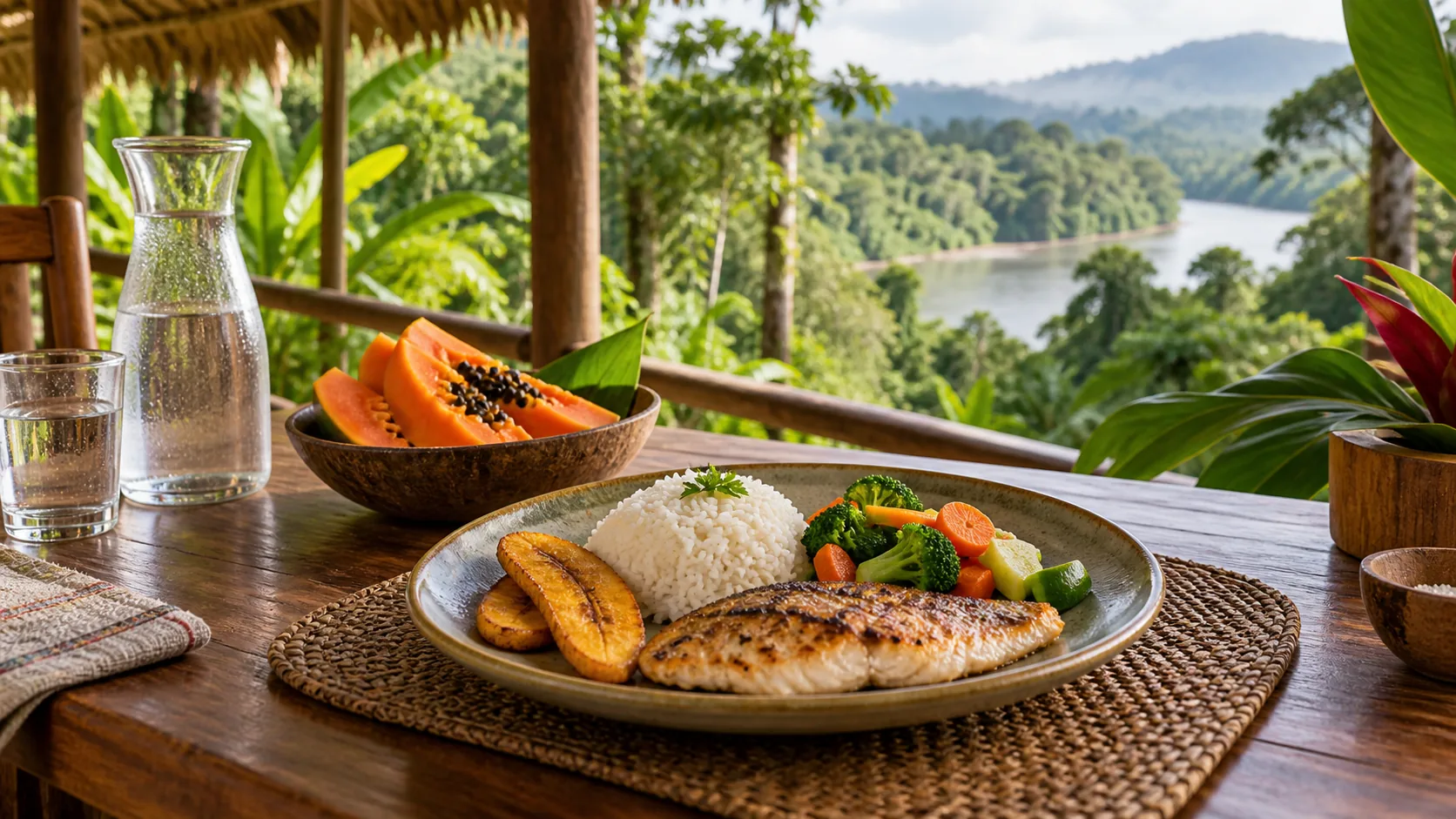
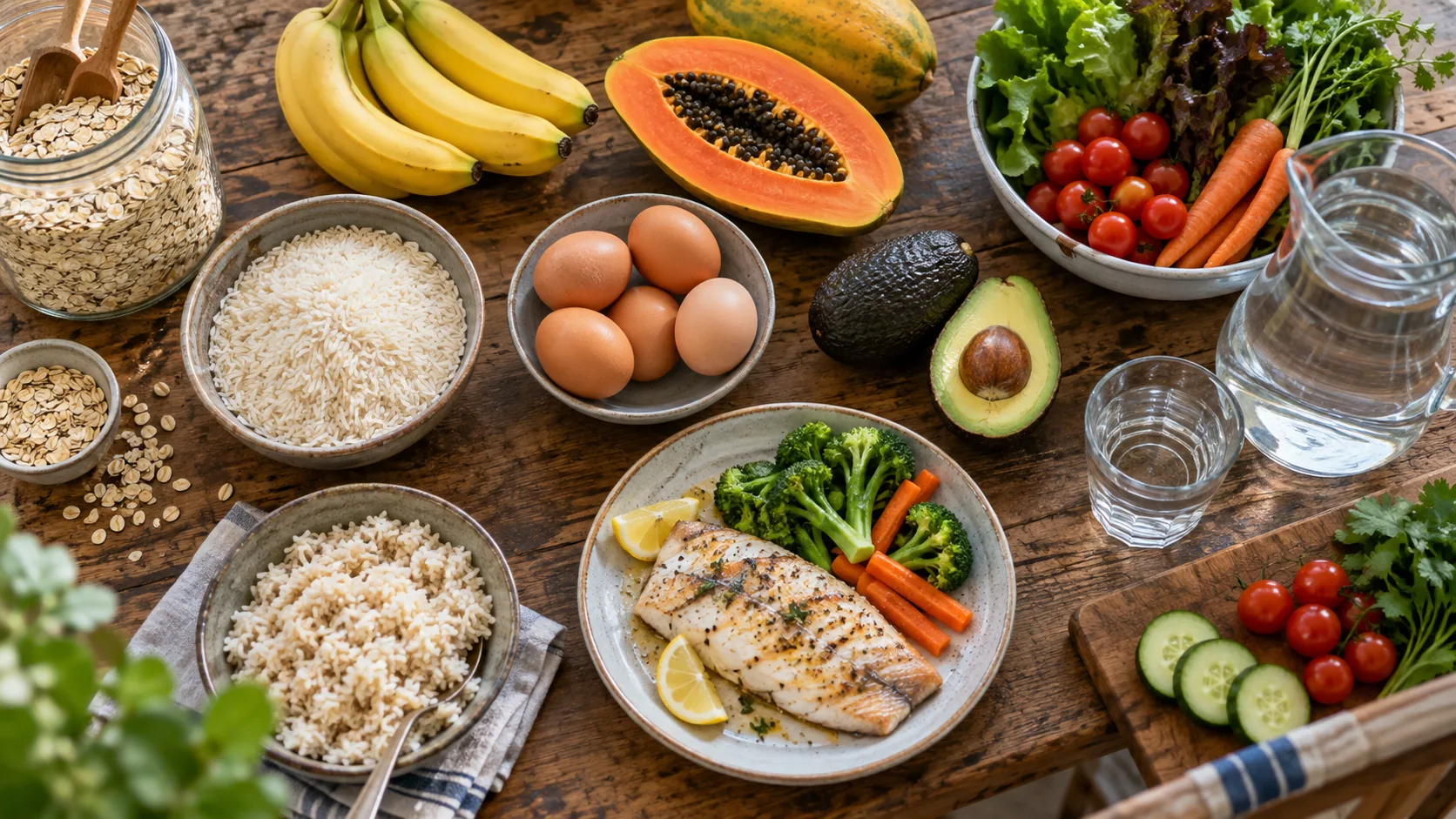
In the days before a retreat, favor familiar, balanced meals that you already tolerate. Useful options can include rice, oats, potatoes or other simple starches; cooked vegetables; fruit; eggs, fish, chicken, beans or another suitable protein; and adequate water. Reduce alcohol, recreational drugs, unusually heavy meals and anything that reliably causes you digestive discomfort.
On a ceremony day, follow the center’s exact meal schedule. Do not invent a prolonged fast. Afterward, restart with water and simple food as tolerated. If you have diabetes, an eating disorder, pregnancy, a condition affected by fasting or medication that must be taken with food, discuss the schedule before booking.
What “dieta” can mean in Amazonian traditions
In Amazonian contexts, dieta may refer to more than avoiding certain foods. Depending on the practitioner and community, it can involve a structured period of seclusion, behavioral restrictions, simple meals and work with a particular plant. Practices vary by lineage and should not be generalized as one universal Indigenous protocol.
A commercial retreat’s preparation menu may borrow some elements of simplicity without being equivalent to a traditional plant dieta. Ask the provider what it means by “dieta”:
- Is this a food list for guests before arrival?
- Is dietary preparation included at the center?
- Is a specific plant other than ayahuasca involved?
- Who supervises the practice and how were they trained?
- What happens if a participant has an allergy or clinical nutrition need?
- Which restrictions are traditional, which are practical and which are medical?
Clear answers prevent spiritual language from obscuring health decisions. Ayaterra’s current 8-day retreat includes on-site dietary preparation before the first scheduled ceremony. The other published programs have different rhythms; our comparison explains how to choose a retreat length.
Food rules are not the same as medication screening
Ayahuasca preparations commonly contain DMT and beta-carbolines such as harmine and harmaline. Scientific reviews describe these beta-carbolines as reversible inhibitors of monoamine oxidase A, or MAO-A. This mechanism is central to ayahuasca’s oral psychoactivity and is also why medication and substance interactions require serious attention.
The evidence base for specific interactions remains incomplete, and the contents and concentrations of brews vary. Reviews identify concern about combining ayahuasca with serotonergic medications or other substances that affect serotonin, as well as other possible pharmacological interactions. A generic internet timetable for stopping a prescription is not a safe solution.

Do not stop antidepressants, stimulants, blood-pressure medicine or any other prescription by yourself. Abrupt discontinuation can cause withdrawal, recurrence of symptoms or other harm. Provide the retreat with a complete list of prescriptions, over-the-counter products, supplements and recreational substances. Review any proposed change with the clinician who prescribes or manages the treatment.
A center should be willing to reject or postpone participation when screening raises concern. Be cautious if staff say a clean diet “detoxes” medication quickly, guarantee that a few days without a drug removes all risk, or treat nondisclosure as a minor issue. Read our complete guide to preparing for an ayahuasca retreat for a broader screening checklist.
Ayahuasca, MAO-A and tyramine: what the evidence says
Classic dietary warnings for prescribed monoamine oxidase inhibitors often focus on tyramine, a compound that can accumulate in aged, fermented or spoiled protein foods. However, not all MAO inhibitors behave identically. A systematic review of ayahuasca pharmacology notes that selective, reversible MAO-A inhibitors generally interact less with tyramine than nonselective, irreversible MAO inhibitors.
That difference does not prove that every ayahuasca brew, dose and food combination is risk-free. Research is limited, brew composition varies and individual health factors matter. More recent safety reviews continue to discuss a potential tyramine-related risk. The honest conclusion is neither “every tyramine food is deadly” nor “food interactions are impossible.”
Follow a qualified provider’s reasonable instructions, avoid spoiled food and disclose cardiovascular conditions. If a center gives an extremely restrictive list, ask which items are based on its tradition, which improve comfort and which it considers pharmacological precautions. This distinction helps participants follow the program without turning uncertain evidence into fear.
Foods commonly chosen before a retreat
A practical preparation menu is usually plain rather than punitive. Build meals from foods you know your body handles well.
Simple carbohydrates
Rice, oats, quinoa, potatoes, sweet potatoes, cassava, plantain and plain bread can provide energy. Choose portions appropriate for you. There is no need to eliminate all carbohydrates unless a clinician has advised it for a separate condition.
Protein
Eggs, fresh fish, chicken, lentils, beans, tofu or another familiar source may fit, depending on the center’s instructions and your needs. Protein supports ordinary nutrition; the goal is not to arrive depleted.
Fruit and vegetables
Banana, papaya, melon, apples, carrots, squash, greens and other familiar produce can make meals easy to assemble. Wash produce carefully and follow food-and-water precautions while traveling.
Fluids
Drink water regularly in the days before travel and during the retreat according to thirst and medical guidance. Heat and humidity around Iquitos can increase fluid needs, but excessive water intake can also be harmful. A center should provide safe drinking water throughout the stay.
Foods and drinks commonly reduced
The reason matters more than the label “forbidden.” People often reduce:
- Alcohol and recreational substances because mixing or residual effects can create risk and impair judgment.
- Very heavy, greasy or unusually spicy meals because they may worsen reflux or digestive discomfort.
- Foods that personally trigger migraine, allergy, diarrhea or another known symptom.
- Large amounts of caffeine if they disrupt sleep, increase anxiety or cause withdrawal when stopped abruptly.
- Unfamiliar supplements and herbal products because “natural” does not mean interaction-free.
Do not make several drastic changes on the same day. Suddenly removing caffeine, under-eating and traveling overnight can produce headache, fatigue and irritability that are then misread as detoxification. Gradual, moderate preparation is easier to evaluate.
Is meat prohibited before ayahuasca?
Some retreat or traditional protocols exclude red meat, pork or all animal foods. Others allow fresh fish, chicken or eggs. There is no single rule shared by every Amazonian tradition, and a food’s cultural meaning is different from a proven medical contraindication.
If you follow a vegetarian or vegan diet, tell the center before booking and confirm adequate meals. If you normally eat animal protein, do not assume that removing it guarantees a better ceremony. Follow the published retreat menu while maintaining appropriate nutrition.
Are salt, sugar and spices prohibited?
Low-salt, minimally sweet and mildly seasoned meals are common in retreat settings. That can create a consistent, simple menu, but zero salt is not a universal medical requirement. People with conditions or medications affecting sodium, fluid balance, blood pressure or glucose need individualized guidance.
Likewise, reducing desserts or highly processed foods may feel comfortable, but sugar is not a contaminant that must be “purged” before ayahuasca. Spices are often limited to keep meals gentle, not because every spice has a documented interaction.
What about coffee and caffeine?
Caffeine affects sleep, anxiety, heart rate and headache differently across individuals. Some centers request that participants avoid it. If you consume a large amount daily, stopping abruptly may cause withdrawal headaches and fatigue. Ask about the policy early enough to reduce gradually if a clinician considers that appropriate.
Energy drinks add more uncertainty because they may contain high caffeine doses and other stimulatory ingredients. Include them, pre-workout products and caffeine tablets on your supplement disclosure.
Supplements and herbal products still count
List every supplement, tea, tincture, powder and herbal product you use. St. John’s wort, concentrated stimulants and products marketed for mood, sleep, weight loss or athletic performance can have pharmacological effects. Labels may be incomplete, and products bought online can contain unexpected ingredients.
Do not start a “detox” supplement before the retreat. It can cause digestive symptoms, alter sleep or create an interaction while adding no established protection. Bring photos of labels or the original packaging so the reviewer can identify ingredients and doses.
A practical three-day meal example before arrival
This is an example of simple eating, not a prescription. Adjust it for allergies, culture, energy needs and clinical advice.
Three days before
- Breakfast: oats with banana and a tolerated milk or alternative
- Lunch: rice, cooked vegetables and fresh fish, chicken, tofu or beans
- Dinner: vegetable soup with potato or cassava
- Snacks if needed: fruit, plain crackers or a small handful of nuts
Two days before
- Breakfast: eggs with toast and fruit
- Lunch: quinoa or rice with squash, greens and a suitable protein
- Dinner: baked sweet potato with cooked vegetables
- Fluids: water throughout the day; avoid alcohol
One day before
- Breakfast: oatmeal, papaya or another familiar meal
- Lunch: rice, vegetables and a moderate portion of protein
- Dinner: follow the center’s timing and keep the meal simple
Do not deliberately under-eat to prove commitment. Arriving weak, dehydrated or sleep-deprived makes practical assessment more difficult.
What to eat on the day of a ceremony
Follow the center’s exact schedule because ceremony times and meal plans differ. Many programs serve breakfast and a light midday meal, then leave several hours before the evening session. That pattern aims to reduce digestive discomfort, but it should be adapted when health needs require it.
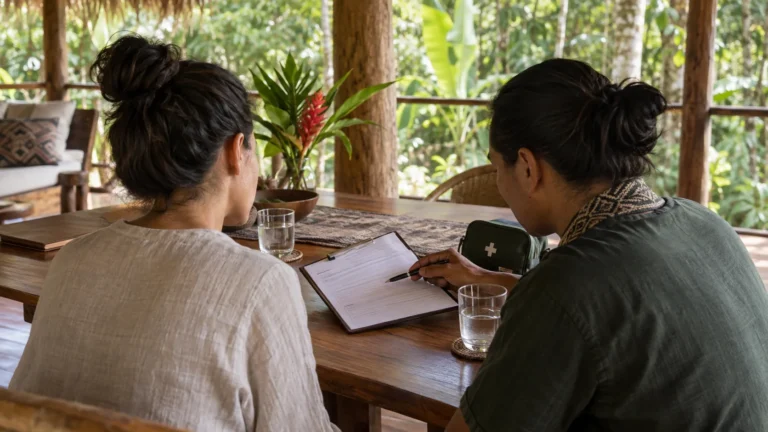
Never conceal diabetes, hypoglycemia, pregnancy, an eating disorder, gastrointestinal disease or medication that requires food. Ask before travel:
- What meals are served and at what times?
- Is safe drinking water continuously available?
- Can allergies and medically necessary diets be accommodated?
- Who decides whether fasting is appropriate?
- What happens if I cannot keep food or fluids down?
Our guide to what happens during an ayahuasca ceremony describes the broader evening and morning sequence.
Hydration without extremes
Vomiting and diarrhea can occur with ayahuasca, and the Amazon environment can be hot and humid. Hydration matters, but forcing large volumes of plain water in a short time is not a safe strategy. Drink normally before the ceremony according to the center’s guidance and your clinical needs.
Tell staff about ongoing vomiting, inability to retain fluids, fainting, severe weakness, confusion, chest pain or another concerning symptom. “Purging” should not be used to dismiss signs of dehydration or illness. A retreat needs a plan for assessment and escalation to medical care.
What to eat after a ceremony
Appetite varies. Begin with water and a small, familiar meal when you feel able and when staff advise it is appropriate. Useful options may include soup, rice, cooked vegetables, banana, oatmeal, eggs or another tolerated protein. Eat slowly and observe how you feel.
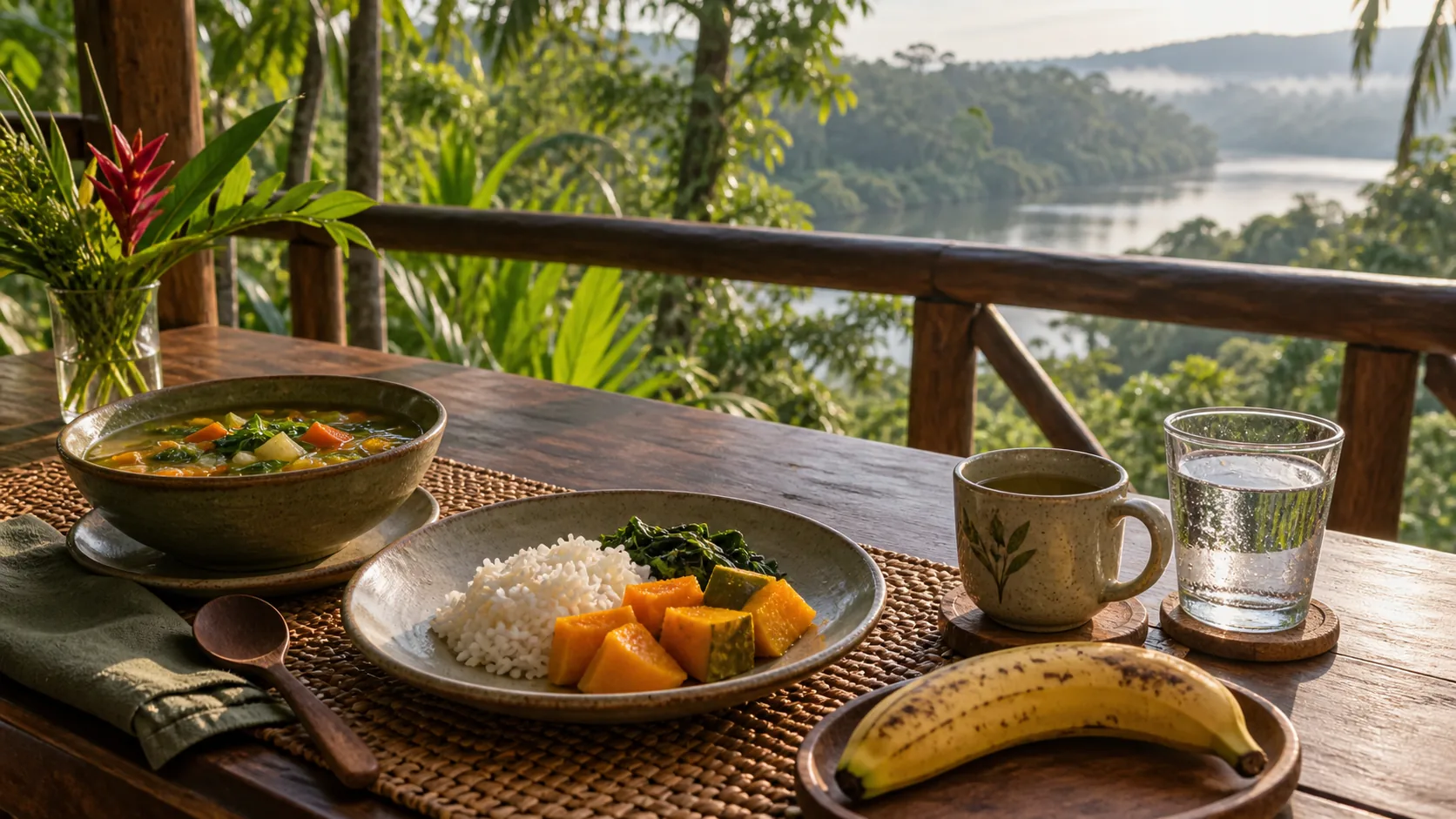
The next morning is not the time for an extreme cleanse or a large celebratory meal if your stomach remains unsettled. Return gradually to balanced eating. Seek medical help for uncontrolled vomiting, severe dehydration, blood in vomit or stool, intense abdominal pain, fainting or rapidly worsening symptoms.
How long should you follow the diet afterward?
There is no universally established post-ayahuasca food duration. Retreats may recommend simple meals for a period based on their tradition and program. From a practical perspective, continue gentle, nourishing food until appetite, digestion, hydration and sleep feel stable.
Avoid alcohol and recreational drugs during early recovery. If you paused any prescribed medication under a clinician’s supervision, follow that clinician’s restart plan—not an improvised timeline from the retreat or internet. Our integration guide covers the first 24 hours and following month.
Red flags in ayahuasca diet advice
Be cautious when a provider:
- Claims its menu guarantees safety or healing
- Says food restrictions eliminate medication interactions
- Orders prescription changes without appropriate clinical authority
- Uses “detox” to explain every symptom
- Treats allergies or medically necessary diets as spiritual resistance
- Requires prolonged fasting without screening
- Cannot provide ingredients or safe drinking water information
- Shames a participant for eating or declining food
- Sells supplements as mandatory protection
Diet policies are one part of provider evaluation. Use our guide to choosing a safer ayahuasca retreat before paying.
Frequently asked questions
How many days before ayahuasca should I change my diet?
There is no evidence-based number that fits everyone. Ask the center for its written instructions early, then discuss any restriction that affects a health condition or prescription with a qualified clinician. Moderate changes made gradually are more practical than a last-minute fast.
Can I eat fish or chicken?
Some programs allow fresh, simply prepared fish or chicken; others follow vegetarian menus. This is usually a program-specific choice rather than a universal rule. Confirm the menu and allergy procedures directly.
Can I drink coffee?
Policies vary. Because sudden caffeine withdrawal can cause headache and fatigue, ask in advance. If reduction is appropriate, gradual change may be more comfortable than stopping on arrival.
Is fasting required?
Do not assume it is. Many evening programs use a light meal earlier in the day rather than a prolonged fast. Fasting can be unsafe for some people, so disclose relevant conditions and obtain individualized advice.
Is the ayahuasca diet scientifically proven?
Evidence supports taking pharmacological interactions seriously, but it does not validate every broad food-prohibition list found online. Traditional restrictions, digestive comfort and medical interaction management should be described separately.
Does following the diet mean I am medically cleared?
No. Food choices do not establish eligibility. Medical history, psychiatric history, prescriptions, supplements and current health still require screening.
A balanced approach
The most useful ayahuasca diet is one that supports nourishment, stable energy, hydration and honest screening. Keep meals simple and familiar, follow reasonable center instructions, and respect the cultural context in which a particular dieta is practiced. At the same time, avoid turning tradition into unsupported medical certainty.
Food preparation can make a retreat easier to navigate. It cannot neutralize a contraindication, erase a medication from the body or guarantee a particular experience. When food rules and clinical needs conflict, pause and obtain qualified guidance before participating.
Sources and further reading
- The pharmacological interaction of compounds in ayahuasca: a systematic review
- Ayahuasca: pharmacology, safety and therapeutic effects
- Ayahuasca and DMT adverse events and toxicity: systematic thematic review
- Drug–drug interactions involving classic psychedelics: systematic review
- Global Ayahuasca Survey: reported adverse physical and mental effects