
How long should an ayahuasca retreat be? There is no single ideal duration. A shorter program may fit limited travel time, while a longer stay can provide more preparation, rest and time between ceremonies. But more days—or more ceremonies—do not automatically mean a safer, deeper or more effective experience.
The useful question is not simply “How many ceremonies can I do?” It is “Which schedule gives me enough time to arrive, understand the setting, rest, participate only if eligible and recover before traveling home?” Your health history, medication use, previous experience, travel fatigue and tolerance for a remote Amazon environment all matter.
Ayaterra currently publishes 3, 5, 7 and 8-day programs near Iquitos. Their schedules are not just longer versions of the same itinerary. The 7-day retreat has the highest published ceremony count, while the 8-day option uses additional time for on-site dietary preparation and a more gradual rhythm. This guide explains those differences without claiming that one format is suitable for everyone.
Quick comparison of Ayaterra retreat lengths
3 days and 2 nights
- Two scheduled ayahuasca ceremonies
- Two consecutive ceremony evenings
- Shortest time away from work or travel plans
- Limited recovery time between arrival, ceremonies and departure
- Best considered by people who understand the compressed pace and pass screening
View the current 3-day ayahuasca retreat itinerary.
5 days and 4 nights
- Three scheduled ayahuasca ceremonies
- More time at the center than the three-day format
- Guided conversations, breathwork and a rest day in the published schedule
- A middle option for travelers balancing time and a less compressed rhythm
View the current 5-day ayahuasca retreat itinerary.
7 days and 6 nights
- Four scheduled ayahuasca ceremonies
- Two rest days in the published schedule
- More time for post-ceremony conversations and reflection
- The most ceremony-intensive of Ayaterra’s current programs
View the current 7-day ayahuasca retreat itinerary.
8 days and 7 nights
- Three scheduled ayahuasca ceremonies
- On-site dietary preparation before the first ceremony
- Introductory meetings and individual consultation with the shamans
- Several lighter days for rest and reflection
- Designed for guests who prefer a gradual schedule rather than the highest ceremony count
View the current 8-day ayahuasca retreat itinerary.
Published schedules can change, and participation remains subject to screening and confirmed dates. Always review the live product page and written confirmation before booking flights.
Why retreat length matters
Duration changes more than the price. It affects how quickly you move from travel to orientation, how many nights of sleep occur around ceremonies, whether there are non-ceremony days, and how much time you have to speak with the team before departure.
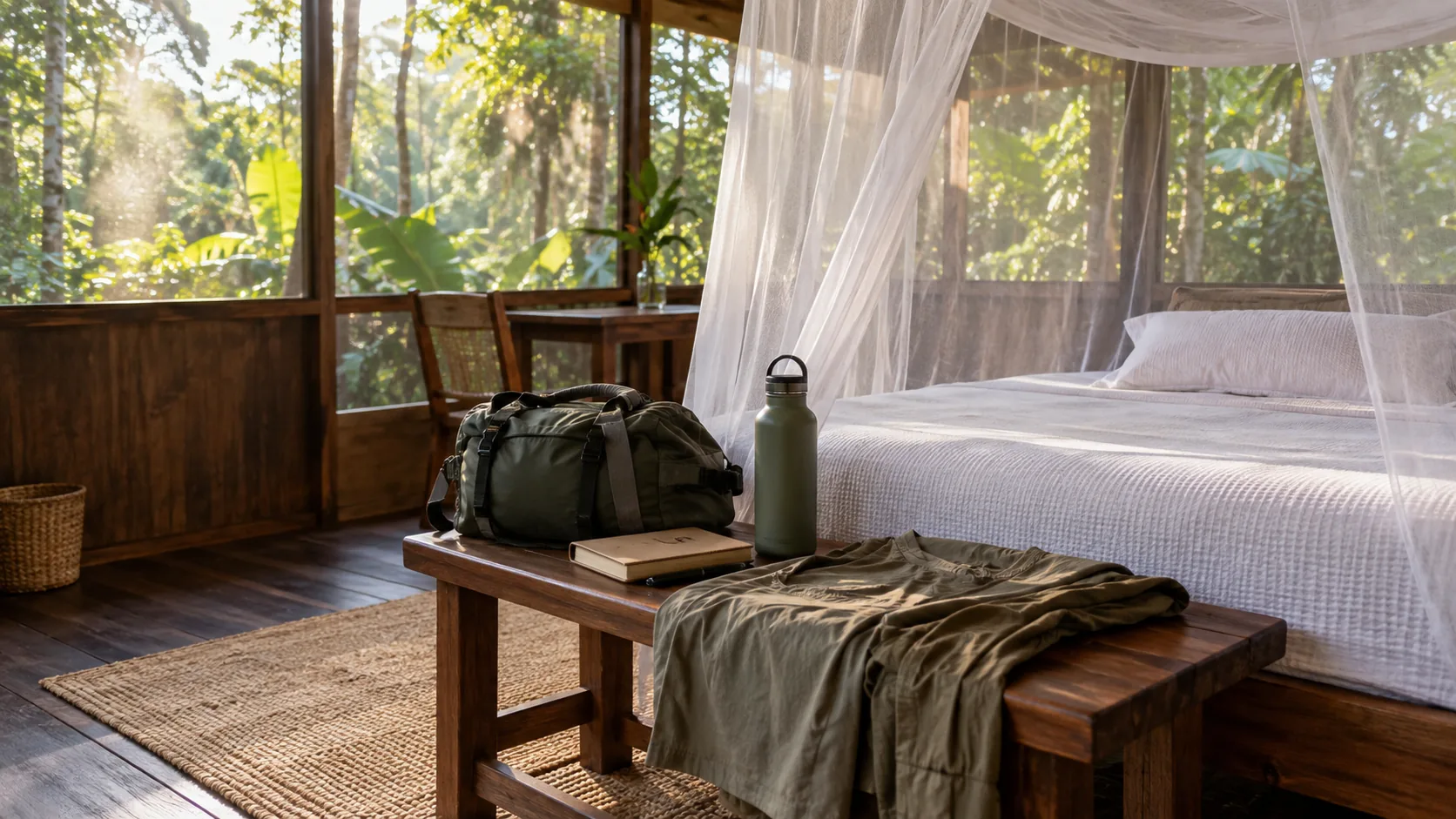
In a remote setting, even the first day contains several transitions: pickup, transport, arrival, room orientation, introductions, meals and preparation for the evening. A short itinerary may feel efficient to one guest and rushed to another. A longer itinerary reduces some forms of time pressure, but it also requires more physical and emotional stamina, a larger budget and more days in tropical conditions.
Research does not establish a universal number of ceremonies or days that produces a particular outcome. Observational studies emphasize the importance of preparation, support and context, while large survey data show that difficult physical or mental after-effects can occur. Duration should therefore be considered alongside safeguards, not used as a shortcut for predicting benefit.
Is a 3-day ayahuasca retreat too short?
A three-day retreat is a compressed introduction. Ayaterra’s published itinerary includes two ceremonies on consecutive evenings, with arrival and the first ceremony on day one and departure after integration activities on day three.
The main advantage is practical: fewer nights, lower total travel commitment and less time away from responsibilities. The main limitation is that there is little room for delay, adjustment or a full rest day. A guest who arrives tired, anxious, dehydrated or unwell may have limited time to settle before the first scheduled ceremony.
A short retreat should never be marketed as risk-free or as an easy trial. Two consecutive ceremony nights can still be demanding. Participation in any scheduled session should depend on how the person is doing, not on pressure to “get full value” from the package.
Consider the three-day format only after asking:
- Can I arrive in Iquitos early enough to sleep and recover before pickup?
- Am I comfortable with two consecutive ceremony evenings?
- Does screening happen before I pay for non-refundable travel?
- Can I stay an extra night in Iquitos after the retreat rather than flying immediately?
- What happens if I decide not to participate in the second ceremony?
What a 5-day retreat changes
The five-day program adds two nights and a third scheduled ceremony. Its published structure includes guided conversations, breathwork and a rest day between parts of the ceremonial schedule. That extra space can make the visit feel less like a rapid arrival-and-departure sequence.
Five days may appeal to first-time guests who can commit more than a weekend but cannot stay a full week. It also allows more time to become familiar with the center, facilitators, routines and Amazon climate. Familiarity, however, is not the same as clinical safety. Screening, consent, sober support and emergency readiness remain essential.
The program still involves multiple ceremonies within a few days. Ask how staff assess sleep, hydration, physical symptoms and emotional condition before each one. No guest should be told that completing every scheduled ceremony is mandatory.
What a 7-day retreat changes
Ayaterra’s seven-day itinerary includes four scheduled ceremonies, two rest days, breathwork, medicinal plant steam baths, post-ceremony conversations and a massage or yoga session depending on the program and availability. It offers the largest number of ceremonies among the four published options.
That does not make it the “advanced” or automatically more transformative choice. Four ceremonies create more opportunities for participation, but also more nights of interrupted sleep and more occasions for difficult physical or emotional responses. Someone drawn mainly to the number should pause and evaluate the complete rhythm.

The value of a seven-day format may instead be the two rest days and the opportunity to observe how you feel across a full week. Rest days should remain genuine opportunities to sleep, eat, hydrate, decline optional activities and speak privately with staff if necessary.
Questions for this format include:
- How are the four ceremonies spaced?
- Can participation be reduced without pressure if sleep or wellbeing deteriorates?
- Who is available during rest days and overnight?
- Which activities are guaranteed and which depend on availability?
- How does the team respond to persistent anxiety, confusion or physical illness?
Why the 8-day retreat has fewer ceremonies than the 7-day retreat
Retreat length and ceremony count are different variables. Ayaterra’s eight-day itinerary publishes three ceremonies, not four. The additional time is used for dietary preparation at the center, orientation, an individual consultation with the shamans, lighter days and a more gradual ceremonial sequence.
This format may suit a guest who values time before the first ceremony more than an additional ceremony. Arriving at the center before ceremonial activity begins can provide space to adjust to the environment, learn the schedule and ask questions in person.

The phrase “dietary preparation” should not be confused with medical clearance. Simple meals and a consistent routine may support practical preparation, but they cannot resolve medication interactions, cardiovascular risks, psychiatric contraindications or another health concern. Complete medical and medication disclosure remains necessary.
The eight-day option also demands the largest time commitment. Consider whether a week in heat and humidity, away from your normal support network, is realistic. Longer is helpful only when the additional days are well structured and appropriate for the participant.
How many ayahuasca ceremonies should a retreat include?
There is no evidence-based ceremony number that everyone should pursue. Individual responses differ, and a scheduled ceremony is an opportunity—not an obligation. A responsible program should reassess participants throughout the retreat and allow someone to sit out without shame or financial pressure.
Do not choose based on a “price per ceremony” calculation. That treats ceremonies as interchangeable units and ignores screening, staffing, preparation, rest, accommodation, emergency planning and follow-up. A program with fewer ceremonies and better spacing may be more appropriate for one person; another person may not be eligible for any ceremony.
Read what happens during an ayahuasca ceremony before comparing schedules. Understanding orientation, staff roles, assistance and the following morning is more useful than looking only at the headline count.
First-time participants: short or long?
First-time status alone does not determine the right duration. A person with excellent travel tolerance and strong support may prefer a concise format. Another may need more time to adjust and recover. Health history and current stability matter more than whether someone has attended before.
For a first retreat, prioritize:
- Screening completed before travel
- Full medication and supplement review
- Clear consent and touch policies
- Sober facilitators present throughout ceremonies
- A realistic emergency and evacuation plan
- Time to rest before arrival and after departure
- Freedom to decline any ceremony or activity
- Access to appropriate follow-up
Our guide to preparing for an ayahuasca retreat covers health disclosure, travel planning, packing and practical expectations.
Previous experience does not automatically justify a longer retreat
Having participated before does not guarantee that a new session will be easier. Health, medication, stress, sleep, setting and the brew itself may differ. Previous positive experiences should not replace fresh screening.
Experienced guests can also be vulnerable to overconfidence. Warning signs include trying to maximize ceremonies, hiding medication use to avoid rejection or assuming difficult symptoms are always part of a spiritual process. Choose the schedule that supports honest communication and recovery, not the one that appears most intense.
Travel days do not count as recovery days
International and domestic travel can compress a retreat even when the program looks long on paper. A flight into Iquitos, transfer to a remote property, time-zone change, heat and disrupted sleep can all affect how the first day feels.
Add buffer nights outside the retreat when possible. Arrive in Iquitos before pickup rather than depending on a same-morning connection. After departure, allow time for food, sleep and reflection before a long-haul flight or demanding tour.
For help choosing the broader destination and itinerary, see Iquitos vs the Sacred Valley for an ayahuasca retreat.
Budget for the full timeline
A longer program generally requires more accommodation, meals and time away from work, but the listed package price is only part of the decision. Compare domestic flights, buffer hotels, transfers, travel-health appointments, insurance and potential itinerary changes.
Do not shorten necessary acclimatization or recovery only to afford a higher ceremony count. Likewise, do not select a longer retreat if financial pressure will make it difficult to change travel plans or seek care. Review current prices and inclusions on each live retreat page because these details can change.
Leave time for integration after every format
Integration is not created automatically by staying more days. Every option needs a plan for returning to ordinary life. Before booking, ask who conducts the final conversation, what follow-up is available and whom to contact if difficult symptoms appear later.
Our ayahuasca integration guide offers a practical framework for the first 24 hours, first week and first month. Avoid placing major work deadlines, relationship decisions or another psychoactive experience immediately after the retreat.
A decision framework
Choose 3 days only if
You understand the compressed two-ceremony schedule, can arrive rested, pass screening and can add recovery time after departure. Limited vacation time alone is not enough if the pace is unsuitable.
Consider 5 days if
You want a middle-length program with three scheduled ceremonies and more time at the center than the short format. Review the exact rest-day placement and how participation is reassessed.
Consider 7 days if
You can manage a full week and are evaluating the complete four-ceremony schedule, including rest days—not merely seeking the highest ceremony count. Confirm overnight support and freedom to skip a session.
Consider 8 days if
You prefer on-site preparation before the first ceremony, individual consultation and a more gradual three-ceremony rhythm. Make sure the longer stay and Amazon conditions fit your health, budget and support needs.
Questions to ask before choosing any duration
- When does screening happen, and who reviews it?
- How many ceremonies are scheduled and how are they spaced?
- Can I decline or skip a ceremony without pressure?
- How many true rest days are included?
- Who remains sober and available overnight?
- What happens if I cannot sleep, keep fluids down or function normally?
- What is the emergency transport plan?
- Which activities are confirmed and which depend on availability?
- What time does pickup and departure occur?
- What follow-up is available after I leave?
Use our retreat safety checklist to evaluate the answers. Duration should be the final layer of the decision, not the first.
Frequently asked questions
Are more ceremonies better?
No universal evidence supports that conclusion. More ceremonies also mean more repeated exposure and potentially less uninterrupted sleep. Quality of screening, support, spacing and the participant’s condition are more useful factors.
Is an 8-day retreat more intense than a 7-day retreat?
Not necessarily. Ayaterra’s current seven-day program lists four ceremonies, while its eight-day program lists three and uses additional time for preparation and a gradual schedule. Length and intensity are not the same.
Can I leave a retreat early?
Ask about this before booking. A center should explain transport availability, costs and what happens if someone needs medical care or chooses to leave. Remote Amazon transfers may not be immediately available at every hour.
Should I book flights before screening?
Ideally, complete screening and receive written confirmation first. If travel must be reserved early, use flexible terms and understand the retreat’s cancellation policy.
Which Ayaterra program is best?
The best fit depends on eligibility and preferred pace. The three-day program is compressed; five days provides a middle option; seven days includes the most ceremonies; and eight days emphasizes on-site preparation and a slower three-ceremony schedule. Review all Ayaterra ayahuasca retreats and ask the team to clarify the current itinerary.